If SASSA Says ‘Gov Payroll Registered’ but You’re Unemployed, Do This To Clear Your Name
Imagine logging into the SASSA portal, excited for your SRD grant approval, only to see “Gov Payroll Registered” staring back at you—despite being jobless for months. This frustrating status flags you as employed by a government entity, blocking your Social Relief of Distress (SRD) R370 grant, even if it’s a glitch from old UIF data or payroll mismatches. As of April 2026, thousands face this issue due to SASSA’s cross-checks with UIF, Home Affairs, and National Treasury databases.
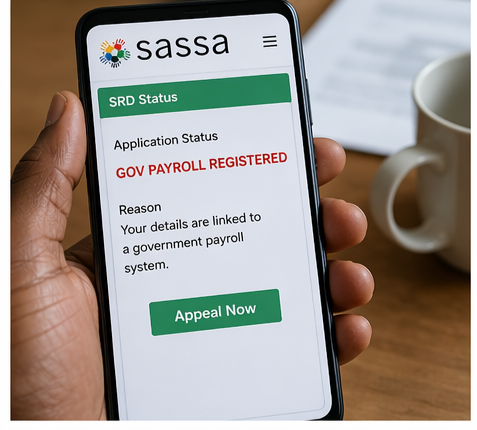
What “Gov Payroll Registered” Really Means
This decline code pops up when SASSA’s automated system detects your ID linked to a government payroll or UIF record, suggesting active employment or benefits. It disqualifies you from SRD because the grant targets the truly unemployed with no income sources above R624 monthly. Common triggers include outdated UIF registrations from past jobs, data sync errors between departments, or even family members’ payroll accidentally tied to your details. In 2026 updates, SASSA tightened these verifications to curb fraud, but it often ensnares genuine applicants.
Don’t panic—it’s reversible. You have 90 days from the declined month to act via the official appeal process.
Step-by-Step Guide to Dispute the Status
Start by confirming the exact issue on the SRD portal at srd.sassa.gov.za. Enter your 13-digit ID and registered phone number to pull your status—note the specific decline reason for your appeal.
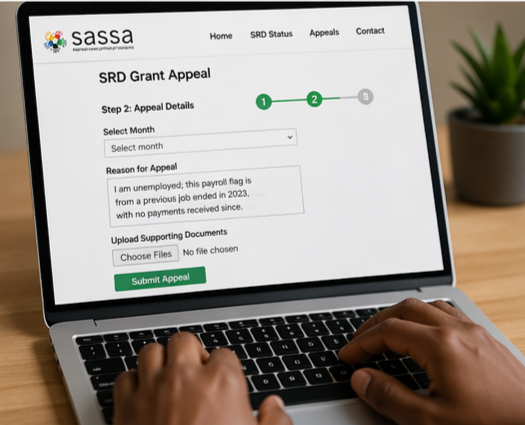
Next, head to the appeals section at srd.sassa.gov.za/appeals or srd.dsd.gov.za/appeals. Select the affected month, verify with an OTP sent to your phone, and upload your motivation: “I am unemployed; this payroll flag is from a previous job ended in [year], with no payments received since”. Submit promptly—appeals process in 30-90 days, and you can track progress online.
If the portal glitches (like recent 503 errors), dial SASSA’s toll-free line at 0800 60 10 11, select the SRD option, and reference your ID.
Essential Documents to Strengthen Your Case
Gather proof proactively to boost approval odds. Get an affidavit from your local police station swearing you’re unemployed—no salary, no gigs.
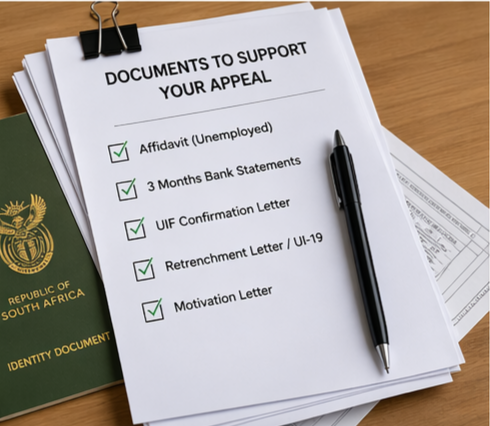
Include three months of certified bank statements highlighting no regular deposits over R624, plus a UIF confirmation letter from the Department of Employment and Labour stating you’re not receiving benefits. For recent layoffs, attach your retrenchment letter or UI-19 form. Explain any one-off transfers (like family loans) in your appeal letter to counter “alternative income” flags.
Scan and upload everything clearly—SASSA reviews these individually.
Common Mistakes That Derail Appeals
Rushing without specifics tanks your chances. Vague reasons like “I’m unemployed” won’t cut it; detail the payroll error’s origin.
Avoid reapplying instead of appealing, that creates duplicates and worsens flags. Don’t ignore timelines: post-90 days, escalate to the Independent Tribunal for Social Assistance Appeals (ITSAA) for free review, but it takes 60-90 extra days. Finally, skip WhatsApp scams promising “fixes”—stick to official channels to dodge fraud.
Beyond Appeals: Alternative Fixes and Prevention
If unresolved after 90 days, visit a SASSA office with originals for manual review—locations listed on sassa.gov.za. Update Home Affairs biometrics first if ID mismatches contribute, then resubmit.
For prevention, check status monthly via SMS (send “status [ID]” to 1347737) or the app. Clear old UIF claims annually at labour.gov.za. In 2026, SASSA’s system scans deeper, so maintain clean bank records.
What Happens After You Clear Your Name
Successful appeals retroactively approve declined months, with payments hitting your account within banking days (usually 2-3). Expect a new status like “Approved” or “Pending Payment,” followed by your unique pay date around the 24th-30th.
Monitor via the portal—back payments for multiple months can arrive lumped. If delays persist, call the helpline again. Clearing this unlocks ongoing SRD support amid 2026’s economic pressures.
This process demands patience but works for most. Stay persistent; your grant awaits.