How To Protect Your SASSA Grant From Fraudsters and Fake WhatsApp Agents
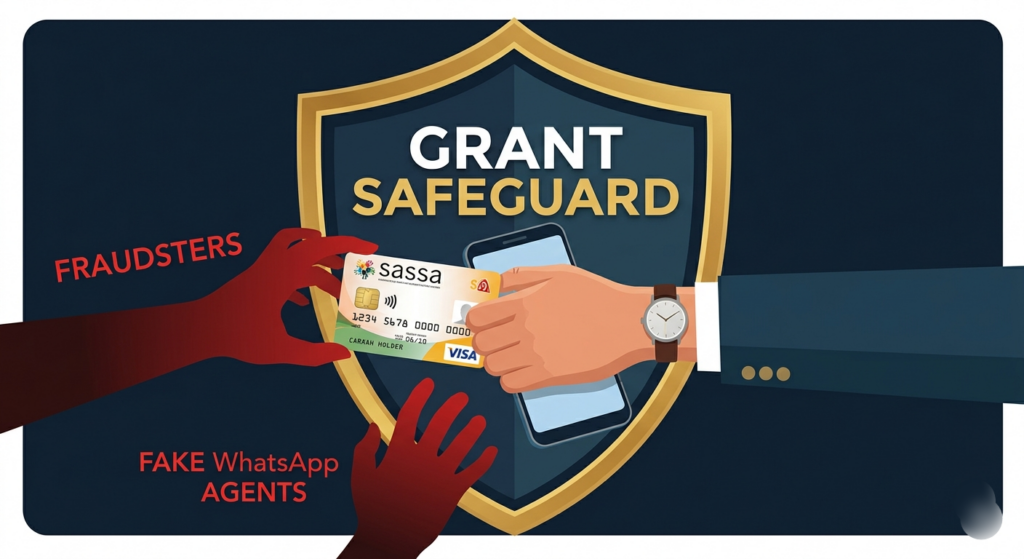
South African grant beneficiaries are under constant pressure from fraudsters, especially through WhatsApp and other messaging platforms. As SASSA’s systems are tightened and more transactions move online, scammers are also evolving, using fake “agents,” urgent “updates,” and fake refund or “verification” messages to steal money and personal details. Protecting your SASSA grant now means treating every unknown WhatsApp message with suspicion and following a few clear, up‑to‑date safety rules.
Understand how these scams usually work
Modern SASSA‑related scams are often built around WhatsApp, SMS, or calls from people pretending to be SASSA officials, bank agents, or government “grant verifiers.” They typically send messages saying your grant is suspended, your “life certificate” is missing, or you’re due a “refund,” then ask you to click a link, share your ID number, PIN, or banking details, or pay a small “processing fee” to “unlock” your money. In reality, legitimate SASSA staff will never ask for your PIN, OTP, or banking password over WhatsApp or by phone.
Spot the signs of a fake WhatsApp “SASSA agent”
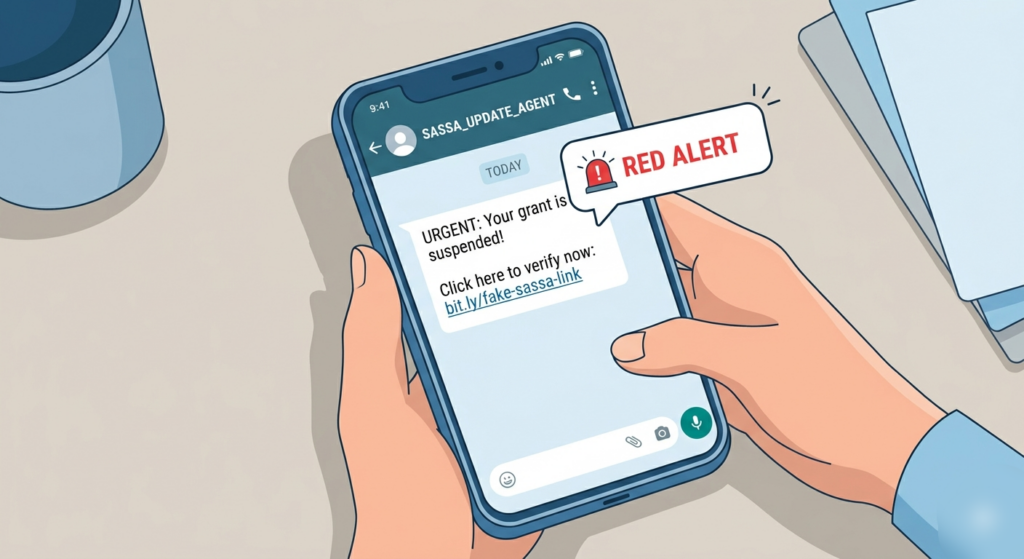
A fake WhatsApp agent will usually show the same red flags:
– They use a non‑official number (08000 etc.) or a personal mobile number, not a verified SASSA or government line.
– They create fear by saying your grant will be “blocked,” “cancelled,” or “suspended” within 24–48 hours if you don’t “verify” your details.
– They ask you to click strange links, download “forms,” or send ID, SASSA card, or bank details by WhatsApp image or chat.
– They insist you pay a “processing fee” or “registration money” via EFT, cash, or airtime to confirm your grant.
If you see even one of these signs, block the number and treat the message as a scam.
Set up your own verification rules
To keep your SASSA money safe, create a simple mental checklist before you respond to any WhatsApp or SMS:
-Never share sensitive details: ID number, PIN, OTP, bank account, or any SASSA card photo should not be sent to anyone on WhatsApp or via SMS, even if the chat looks official.
– Never click random links: If a WhatsApp message includes a link to “check your balance,” “update your details,” or “confirm your grant,” delete it immediately unless it comes from an official SASSA communication channel.
-Double‑check via official channels: If you get a concerning message, call the official SASSA contact centre or visit the SASSA website or a local office rather than replying to the WhatsApp number.
This simple habit stops most fraud attempts at the first step.
Secure your phone, WhatsApp, and banking apps
Because scammers now target WhatsApp, your phone and apps must be kept tight:
-Enable two‑factor authentication (2FA) on WhatsApp and your banking apps so you can detect if someone tries to hijack your account.
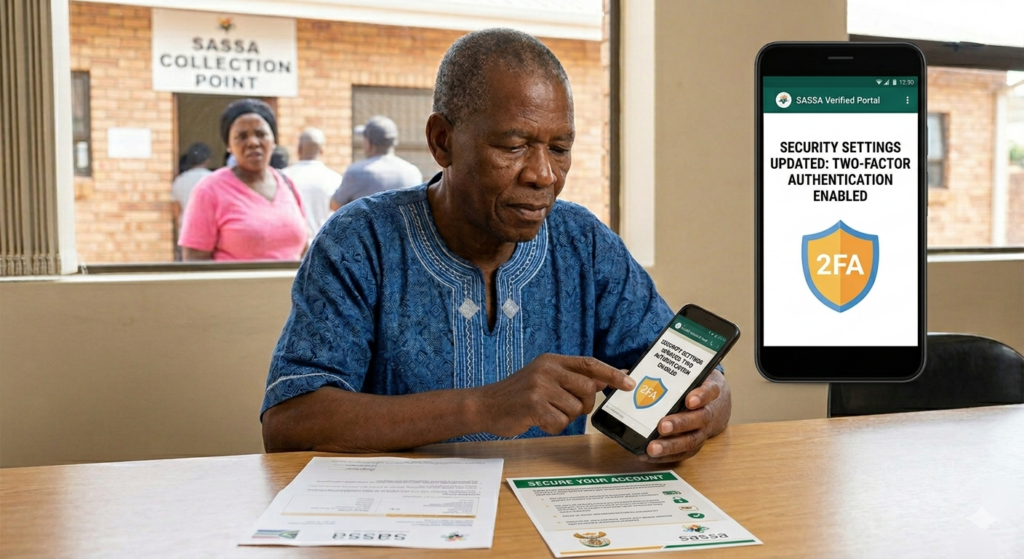
-Use strong passwords and biometrics (fingerprint/face unlock) on your phone and banking apps to limit unauthorised access.
-Avoid public Wi‑Fi for banking or SASSA‑related apps; if you must use it, pair it with a trusted mobile‑data connection or a VPN you fully trust.
The more secure your device is, the harder it becomes for fraudsters to steal your grant from the back door.
Protect your grant at the ATM and collection point
Even if you avoid WhatsApp scams, your money can still be at risk when you collect your grant:
-Never accept “help” from strangers at ATMs or pay‑points; real SASSA staff will not approach you to type your PIN or card details.
– Always cover the keypad when entering your PIN and check that the ATM looks clean and undamaged.
– Count your cash discreetly and store it safely instead of walking around with a visible bundle.
Physical security complements your digital safety and keeps your grant in your hands instead of in a fraudster’s pocket.
What to do if you think you’ve been scammed
If you shared your PIN, OTP, or banking details with a fake WhatsApp agent, act quickly:
– Contact your bank immediately and ask to block your card or freeze suspicious transactions.
– Call the official SASSA fraud or contact line to report the incident and ask whether your grant details are at risk.
-Save screenshots and the number details of the scammer and report them to South African Fraud Prevention Services and local police if possible.
Fast reporting can limit the damage and may help authorities identify large‑scale fraud rings.
Develop a “no‑panic” mindset around grant messages
Fraudsters count on urgency and fear to make you act without thinking. A simple rule is:
> “If a message scares you, stop, shut WhatsApp, and verify separately via official channels before doing anything.”
If your grant really were suspended, SASSA would notify you through multiple channels (letter, SMS from an official number, or in‑person notice), not just a WhatsApp message from a random number demanding instant compliance. By training yourself to pause, question, and verify, you turn your own behavior into a strong defence against grant fraud.