How to Submit a Winning SRD Appeal That Gets Approved in 2026
If your SRD (Social Relief of Distress) grant application was declined, an appeal is your strongest chance to overturn the decision, but only if it is done correctly and completely. The South African SRD and SASSA systems in 2026 still require clear documentation, timely action, and a well‑structured explanation of why you qualify. Below is a practical, step‑by‑step guide to help you prepare and submit a successful SRD appeal that has a real chance of being approved.
1. Understand Why Your SRD Was Rejected
Before you appeal, you must know “why” your application failed. Common reasons in 2026 include:
– Incorrect or incomplete personal details (ID, phone number, bank details).
– Income above the allowed threshold (typically around or below R625 per month).
– Multiple applications with the same ID or fraudulent information.
– Missing supporting documents (proof of unemployment, income, or residence).
Open your SRD status message or SMS and check the exact reason for rejection. If it is unclear, call the SASSA helpline (0800‑60‑10‑11) and ask for the specific reason; this will steer how you write your appeal.
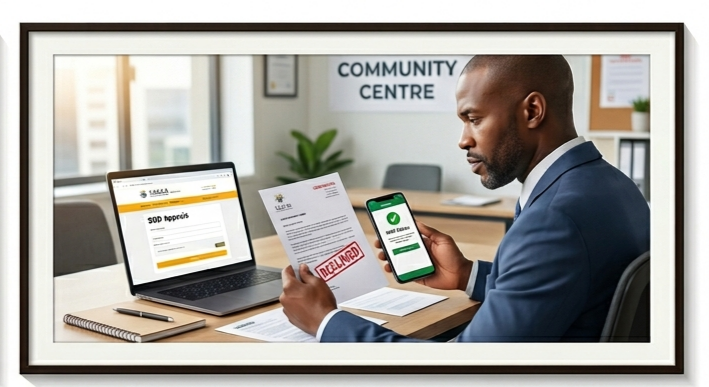
2. Check the 2026 Appeal Deadline and Rules
In 2026, you generally have 30 to 90 days from the date your SRD application was declined to lodge an appeal. Missing this window significantly reduces your chances of success.
Important 2026‑relevant rules:
– Appeals are usually limited to “one month at a time” (you cannot appeal for several months in a single submission).
– You must use the “official SASSA SRD Appeals portal” at https://srd.sassa.gov.za/appeals/appeal or the ITSAA‑linked appeals page.
– Your ID number and phone number must match those used in your original SRD application.
If you are outside the initial 30‑day period but within 90 days, still submit, SASSA may still consider your case, especially if you give a good reason for the delay (e.g., illness, technical issues).
3. Gather the Right Documents
A strong appeal is built on solid evidence that proves your need and eligibility. For 2026, SASSA and ITSAA increasingly rely on verifiable documents rather than just statements.
Typical documents to prepare:
– Copy of your “South African ID or refugee permit” .
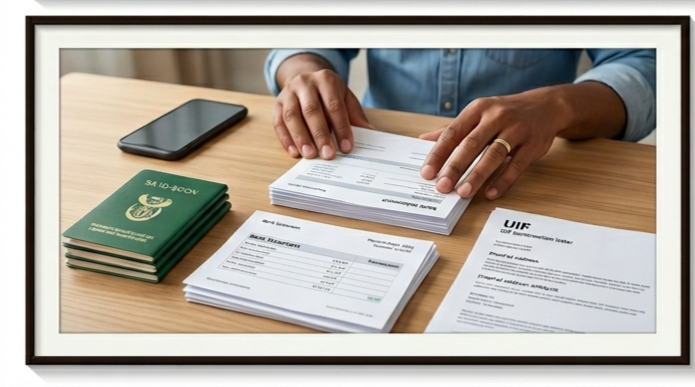
– Proof of “no income or low income” : recent bank statements, UIF letters, or formal letters from employers confirming unemployment.
– Proof of “no other social grant” (if you receive an old‑age or disability grant, you may not qualify).
– Proof of “residence” (utility bill, rental agreement, or affidavit if you live with a family member).
– Any “additional hardship letters” (e.g., medical reports, school‑fee letters, or letters from community leaders) if your situation changed after your original application.
Scan or photograph these clearly, and label them (for example: “ID copy”, “Bank statement Feb 2026”). This makes it easier to upload and reference later.
4. Write a Clear, Fact‑Based Appeal Statement
The appeal explanation section on the portal is where many people lose their chance. Here’s how to write one that works in 2026:
– Start with key facts:
Briefly state your name, ID number, phone number, and the month you are appealing for.
– Explain why you were rejected:
If you now know the reason (wrong income figure, technical error, etc.), acknowledge it and show how it has been corrected.
– Detail your current situation:
Describe your unemployment or low‑income status, family responsibilities, and any recent life changes (job loss, illness, family bereavement).
– Link to eligibility criteria:
Gently remind the reviewer that you meet the key rules: citizen/resident, age 18–59, no other grants, and monthly income below the threshold.
Keep the letter “short, honest, and professional” around 150–250 words. Avoid emotional language or accusations; instead, focus on facts and evidence.
5. Submit the Appeal via the Official Portal
The 2026 process is still largely online and OTP‑secured. Follow these steps carefully:
1. Go to the SASSA SRD Appeals page ( https://srd.sassa.gov.za/appeals/appeal) or the ITSAA‑linked appeals website.
2. Enter your ID number and the cellphone number used in your original application.
3. Click “Send PIN” or “Send OTP” and enter the code you receive on your phone.
4. Choose the correct monthyou want to appeal for.
5. Select your reason for appeal from the drop‑down options (for example, “Incorrect income information”, “Technical error”, “New circumstances”).
6. Type or paste your appeal statement and upload all supporting documents.
7. Tick the declaration and consent boxes and click “Submit an appeal”.
Once you submit, save or screenshot the confirmation page and the appeal reference number. This will be needed if you want to check your status later or follow up.
6. Monitor Your Appeal Status
After submission, it can take weeks to several months for ITSAA or SASSA to review your appeal.
To check your progress in 2026:
– Use the SRD status‑check SMS system: send Sassa [Your ID Number] to 082 046 8553
– Use WhatsApp by saving 082 054 0016 and sending “Status”, then following the prompts.
– Re‑visit the SASSA SRD status page or ITSAA portal and log in with your ID and phone number to see whether your appeal is “Under Review”, “Approved”, or “Rejected”.
If more than 90 days pass without a response and your case feels urgent, contact the SASSA call centre or visit your nearest SASSA office with your ID and appeal reference number.
7. If Your Appeal Is Rejected Again
Sometimes the first appeal is declined. If this happens in 2026, don’t give up immediately:
– Read the new reason carefully. SASSA must now provide clearer reasons for rejections, which you can request if not clear.
– Correct any errors in your details or documentation and re‑apply if the rules allow (for example, if it was a technical or data‑entry issue).

– Seek free legal or community support on social‑grant appeals; many NGOs and legal‑aid offices help with SASSA and ITSAA cases.
– In rare cases where you believe the decision is unlawful or unfair, you may take the matter to the High Court for review, but this should be done with legal assistance.
By following these 2026‑aligned steps understanding your rejection, meeting the deadline, packing your appeal with clear evidence, and submitting it correctly you greatly increase your chances of a successful SRD appeal that gets approved.