Stuck in the Dark on SASSA: Your Realistic Guide to Surviving Load Shedding With Almost No Money
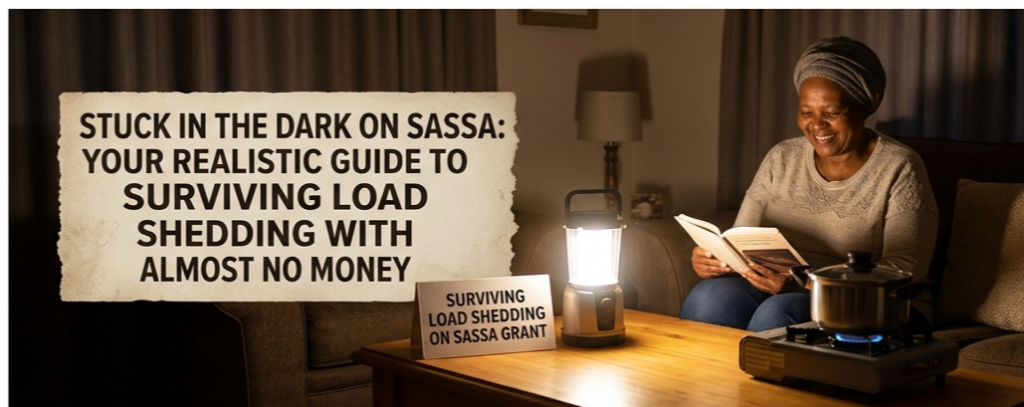
If you rely on your SASSA grant to cover basic needs, buying an inverter or solar panel isn’t an option. But you don’t need thousands of rands to get through load shedding. With smart, low-cost strategies, you can keep your home safe, fed, and lit, even when the power goes out.
Know Your SASSA Electricity Benefits (2026 Update)
Starting 31 January 2026, registered SASSA households receive free Eskom electricity units and protection from scheduled load shedding as part of the national SASSA Loadshedding Exemption Program. This means:
– Eligible grant recipients get monthly free power allocations credited through Eskom.
– The program targets vulnerable families who can’t afford extra electricity purchases
– Benefits are distributed via official Eskom channels, coordinated by SASSA and municipalities.
Before trying other tips, confirm your household is registered and receiving these units. Check with SASSA, your local municipality, or Eskom for the latest status on your free allocation.
1. Master the Art of Low-Cost Lighting
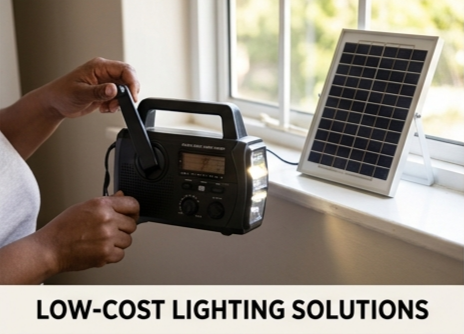
You don’t need expensive solar lights to see in the dark:
– Rechargeable LED bulbs (R50–R80) last hours on a single USB charge and can be charged at community centres or neighbours during power
– Solar garden lights (R30–R60 each) placed around the house double as security lighting and cost nothing to run
– Keep multiple torches with spare batteries in easy-to-reach spots one by your bed, one in the kitchen, one at the entrance
Store batteries in a cool, dry place and rotate them every few months to prevent leakage.
2. Cook Without Electricity Using Gas
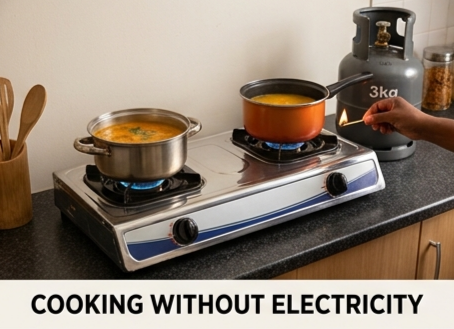
Food preparation is where load shedding hits hardest. A small gas stove (R200–R400) pays for itself quickly:
– Cook meals in advance during power hours and reheat on gas
– Use ice bricks or frozen water bottles in your fridge to keep food cold for 12+ hours during outages
– Prep weekly meals on weekends to avoid expensive takeaways when the power’s out
Even a 9kg gas cylinder lasts months if you only use it during load shedding.
3. Protect Your Electronics From Power Surges
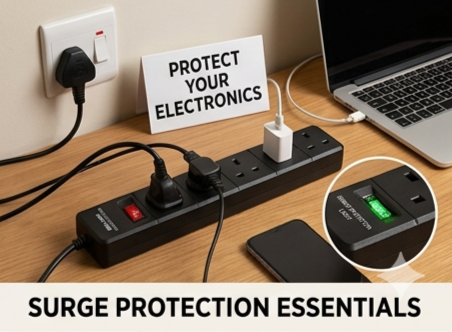
When electricity returns, sudden surges can fry your devices. This is critical for households with limited ability to replace electronics:
– Buy a basic surge protector power strip (R60–R120) for TVs, phones, and routers
– Unplug all appliances 5 minutes before scheduled load shedding starts
– Wait 10–15 minutes after power returns before switching devices back on, one at a time.
This simple habit prevents costly damage that could wipe out weeks of your grant.
4. Boost Home Security Without Electricity
Load shedding increases burglary risk since electric alarms and gates stop working. Strengthen manual security:
– Install padlocks, deadbolts, and burglar bars on windows and doors
– Use physical barriers like chains on gates
– Keep neighbours informed so someone’s always watching when power’s out.
Manual security measures is cost, but protect your home 24/7, regardless of power status.
5. Stay Safe When Driving or Walking
Dark streets and non-functioning traffic lights make travel dangerous:
– Avoid driving during heavy load shedding stages unless absolutely necessary
– If you must travel, reduce speed and stay extra alert at intersections
– Walk with a torch and stick to well-lit routes when possible
Safety isn’t optional especially when your grant can’t cover accident costs.
6. Build a Tiny Emergency Buffer
Even R50–R100 monthly set aside creates a shock absorber:
– Keep cash in a safe spot for emergency torch batteries, gas top-ups, or food
– Prioritise this over non-essential spending during grant collection weeks
– Consider affordable insurance for appliances if available in your area
Small savings prevent small crises from becoming disasters.
Final Thought: You’re Not Powerless
Relying on SASSA doesn’t mean you’re stuck in the dark. With the new free electricity program, basic gas cooking, smart lighting, and surge protection, you can navigate load shedding without breaking the bank. Start with one or two tips this week, then add more as you go. Your grant stretches further when you plan ahead.