What Happens If SASSA Finds Out You’re Working While Getting a Grant?
Imagine getting that steady SASSA grant payment every month, only to land a job and keep quiet about it—sounds tempting for extra cash, right? But if the South African Social Security Agency catches on, it could turn your financial lifeline upside down. As of April 2026, SASSA enforces strict rules under the Social Assistance Act, mandating full disclosure of any income changes.
SASSA’s Clear Rules on Employment and Grants
SASSA grants like Old Age, Disability, Child Support, and SRD are means-tested, meaning your household income must stay below specific thresholds. For 2026/2027, a single applicant for Old Age or Disability grants can’t exceed R107,880 annually—about R8,990 monthly—while married couples face a combined R17,980 monthly limit.
Working, even part-time, counts as income from salaries, UIF, pensions, or informal gigs, pushing you over these limits. You’re legally required to report changes within 30 days via your local office, the SASSA app, or portal; failing this violates the Act.
Assets matter too—singles can’t have over R1.5 million in property or savings. These rules ensure aid goes to those truly in need amid rising demand and budget pressures.
How SASSA Spots Undeclared Work
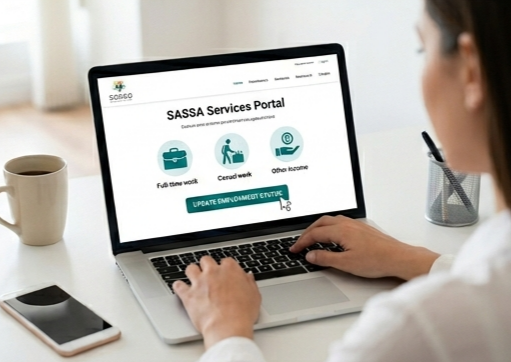
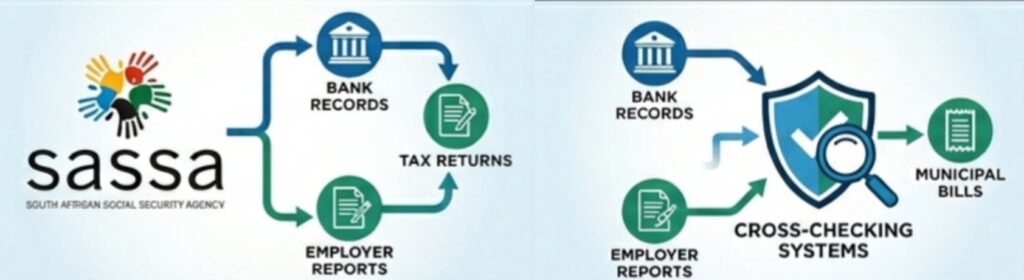
Gone are the days of flying under the radar. SASSA cross-checks data from SARS for tax records, UIF for employment history, credit bureaus for bank activity, and even municipal bills or medical aids.
In 2025, they flagged 210,000 beneficiaries this way, delaying payments until reviews. Algorithms detect mismatches like sudden bank deposits or employer reports, even from casual jobs.
Home visits and digital audits ramped up in 2026 make hiding work tougher—think unannounced checks or linked databases spotting “double-dipping.”
Immediate Consequences of Getting Caught
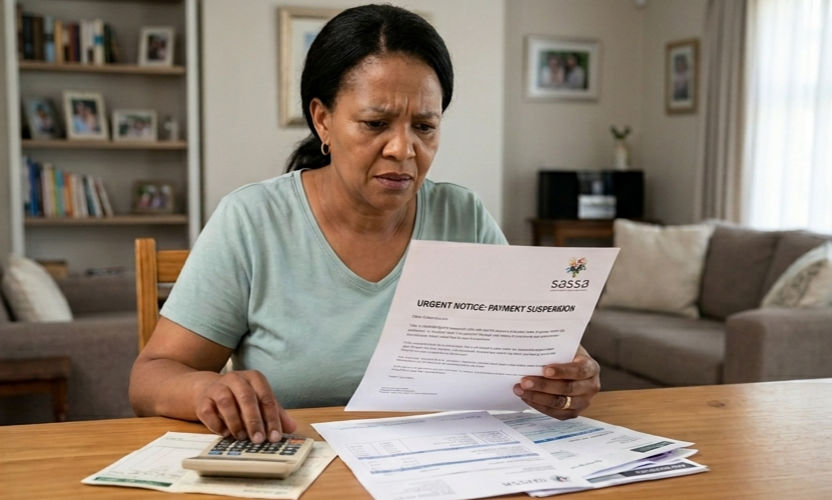
Discovery often starts with a payment freeze during review. You get 30 days’ notice to show up with ID, payslips, bank statements, and proof of residence—no show, and suspension kicks in.
Non-compliance leads to permanent cancellation, plus potential repayment of overpaid funds. Fraud cases, like deliberate non-disclosure, trigger criminal probes with fines or jail time—SASSA’s zero-tolerance policy is no joke.
For example, thousands faced cuts in recent reviews for undisclosed salaries, turning relief into regret.
Your Appeal Options If Grants Stop
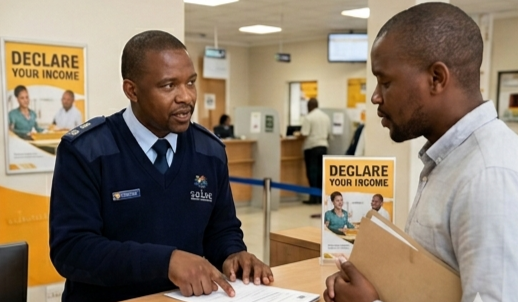
Don’t panic—paths exist to fight back. Within 90 days of suspension, request reconsideration at a SASSA office with fresh documents proving eligibility, like updated low-income proof.
If denied, appeal to the Independent Tribunal for Social Assistance Appeals (ITSAA) online at srd.sassa.gov.za/appeals or in-person. They review within 60-90 days, but success hinges on solid evidence—no appeals for ignored warnings.
Switch to a smart ID if using an old green book to avoid fraud flags during this.
Steps to Stay Compliant and Avoid Trouble
Proactively update your status: Log into the SASSA portal, call 0800 60 10 11, or visit branches monthly if working casually. Declare everything—part-time pay, spaza sales, or family contributions count.
Keep records handy: Six months’ bank statements, employer letters, and affidavits for informal work. For 2026’s R8,070 benchmark on some grants, track earnings religiously to preempt issues.
Beware scams—fake SMS promising fixes steal your details; stick to official channels.
Real Talk: Why Honesty Pays Off Long-Term
Sure, juggling a job and grant feels like a win short-term, but SASSA’s tech and reviews make it risky. Thousands lost payments in 2025-2026 for this, facing debt and appeals stress.
Better to report early—your grant might adjust or continue if under thresholds, preserving trust and access. With grants vital for millions, playing fair keeps the system sustainable for everyone.
Check your status today and sleep easy knowing you’re compliant.