If Your Phone Number Is Stolen, How To Protect Your SASSA Status and Payments
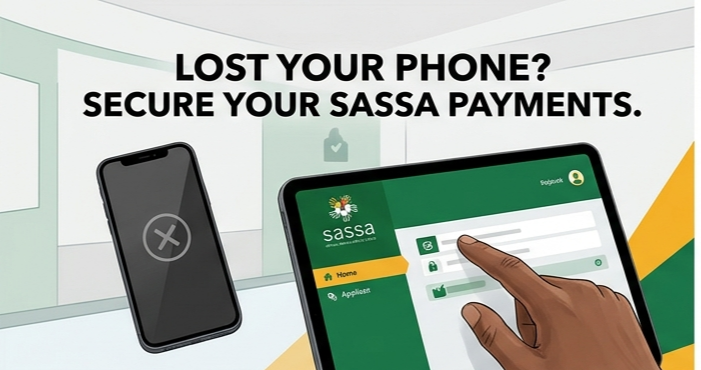
If your phone number linked to SASSA (South African Social Security Agency) is stolen, act fast: notify SASSA, secure your bank or Postbank account, and update your contact details to prevent loss of payments or identity fraud.
Why a stolen phone number matters
– SASSA uses mobile numbers for status checks, OTPs and communication about grant payments, so a stolen number can block your access or allow an attacker to intercept verification messages.
– Criminals can attempt to redirect payments, create false updates, or use your ID and phone to make fraudulent claims if they control your number.
Immediate steps to take (first 24–48 hours)
– Report the theft to your mobile provider and request number suspension or SIM-blocking to stop SMS/OTP forwarding. This prevents further access while you sort replacements.
– Contact SASSA immediately via the toll-free helpline 0800 60 10 11, WhatsApp service 0600 123 456, or visit a SASSA office to report the issue and request an account lock or note on your file.
– Lodge a police report for the stolen phone — this creates an official record you’ll need if fraud follows and helps when dealing with Home Affairs or banks.
How to secure your SASSA payments and status
– Update your SRD/SASSA phone number: use the SASSA SRD portal or visit an office to change the number linked to your application; bring your South African ID and the police case reference if available.
– Verify your payment method with Postbank or your bank: report the stolen number and confirm that no unauthorised beneficiary changes were made; where necessary, request temporary holds on payments until details are confirmed.
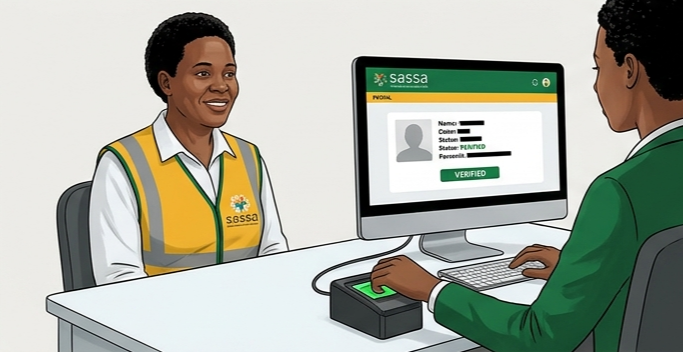
– Enrol or confirm biometric details (fingerprints/biometric ID) at SASSA if required — national rollout of biometric verification has been expanded to reduce fraud, and this can help resecure your file.
Preventing identity theft and fraudulent access
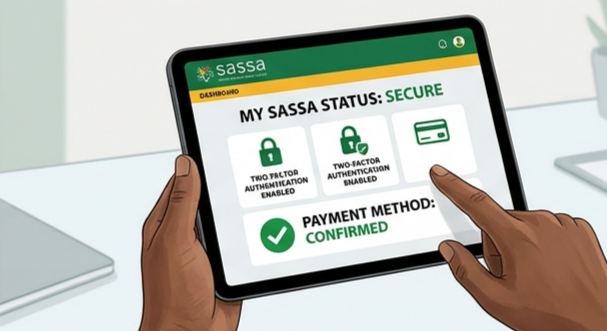
– Monitor your SASSA status monthly online via the SRD portal using your ID number and current phone number; if your original phone number is gone, get help at a SASSA office to retrieve your application ID and status.
– Do not share PINs, OTPs, or personal information over the phone or social media; SASSA will never ask for full bank PINs or passwords in messages.
– If your ID book/card is lost or compromised, report it to Home Affairs immediately and inform SASSA so they can flag your account for extra checks.
Working with institutions (what to tell whom)
– Mobile operator: request SIM suspension and a replacement SIM with immediate re-activation to regain control of your original number, or permanently change to a new number if advised.
– SASSA: request a status check, phone-number update, or temporary hold on payments; use the helpline 0800 60 10 11 or WhatsApp 0600 123 456 for guidance.
– Bank/Postbank: instruct them to watch for unusual withdrawals, reset access credentials, and place extra verification on incoming grant payments if needed.
If you detect fraudulent SASSA activity
– Report fraud to SASSA immediately and request an investigation; they have procedures to investigate suspected fraudulent claims or payment diversions.
– Provide copies of your police report, any communication evidence, and ID when asked; SASSA and Home Affairs may need these to block fraudulent accounts and restore legitimate payments.
– Follow up persistently — SASSA has been increasing anti-fraud capacity and may require life-certification or biometrics to clear and restore payments.
Good long-term practices
– Keep contact information current on the SRD portal and update SASSA whenever you change numbers or addresses.
– Use secure passwords and avoid public Wi‑Fi for banking or SASSA status checks; enable bank and device security features like two-factor authentication (using an authenticator app rather than SMS where possible).
– Regularly check official SASSA communications channels for scheme updates and fraud alerts so you can respond quickly if procedures change.
Example action plan (simple checklist)
– Call your mobile operator to block the SIM.
– Call SASSA helpline 0800 60 10 11 and WhatsApp 0600 123 456 to report and request account action.
– Lodge a police report and notify Home Affairs if your ID is at risk.
– Update SASSA records at a local office or on the SRD portal with new phone details and confirm biometric enrolment if required.
SASSA continues to strengthen verification (including biometrics and life certification) to protect beneficiaries, so report stolen numbers and suspected fraud promptly to ensure payments remain in your hands.