How to Complain to SASSA If Someone Else Is Collecting Your Grant Money
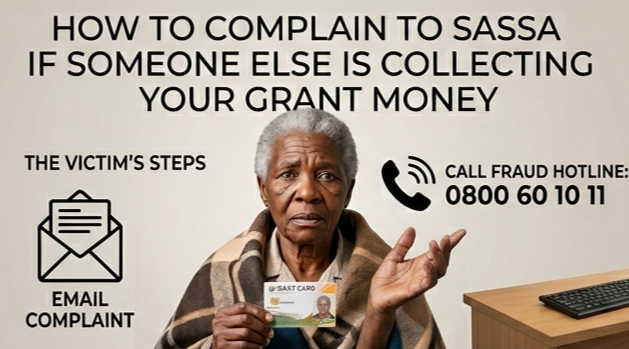
If you discover that someone else is collecting your SASSA grant, act quickly: report the fraud to SASSA, gather proof, and follow up until the matter is resolved to stop further loss and restore payments to you.
Why prompt action matters
– Grant fraud can permanently interrupt your income and may require time-consuming investigations to reverse. Reporting quickly increases the chance SASSA can freeze or redirect payments and start recovery procedures.
– SASSA treats suspected fraud seriously and has a dedicated hotline and office channels for complaints and investigations.
Step-by-step: How to report the problem
– Call the SASSA fraud hotline first: phone 0800 60 10 11 (or 012 400 2322) during working hours to register the complaint and get a reference number. Provide your full name, 13-digit ID number, and a clear explanation of the issue.
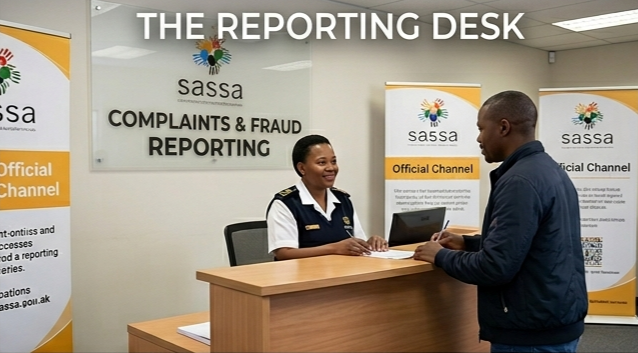
– Visit a local SASSA office if you prefer face-to-face help or if the hotline cannot resolve the issue; ask to speak to a supervisor or the Complaints Department and request an incident reference.
– Email a formal complaint to SASSA’s grant enquiries address with a certified copy of your ID and details of the fraud: include dates, where/when you learned of the problem, any names or banking details involved, and copies of any supporting documents.
– Use the SMS/dispute channel if the issue is unauthorised deductions or suspicious policy debits: follow SASSA’s SMS guidance (when applicable) to lodge an automated dispute with required details.
What evidence to collect and submit
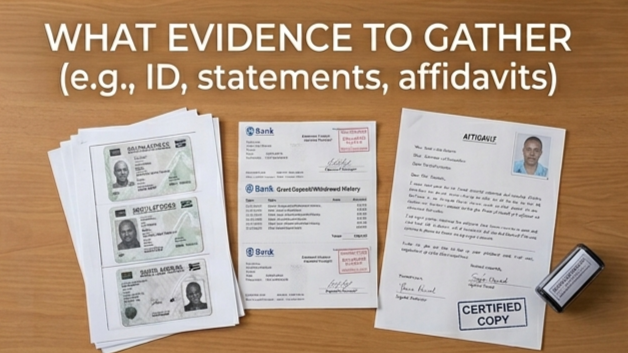
– Certified copy of your South African ID, plus a signed letter explaining the situation and timeline; include contact details you can be reached on.
– Bank statements or withdrawal slips that show payments being collected by someone else, photos of cards or payslips if relevant, and any correspondence or messages that indicate fraud or misrepresentation.
– Witness statements or affidavits from family or neighbours if they can confirm you did not authorize another person to collect your grant.
What SASSA will do next
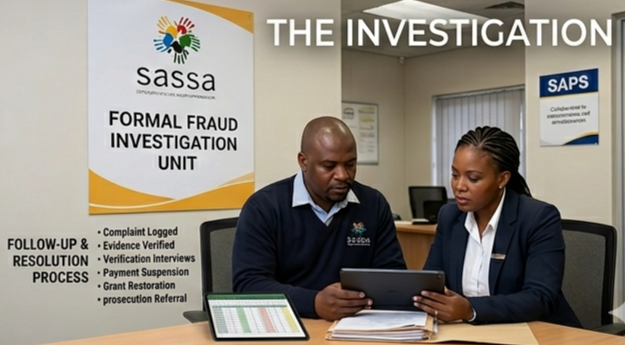
– SASSA will log your complaint and may open an investigation; they may suspend payments while verifying details to prevent further unauthorised access.
– Expect to receive a reference number and instructions; keep this safe and use it in all follow-ups.
– Investigations can take time; SASSA may request further documents or interviews to confirm identity and entitlements before returning payments or prosecuting offenders.
Escalation and other avenues if you’re not satisfied
– Ask that the complaint be escalated to the provincial or national complaints unit if initial contact doesn’t resolve the issue, and request specific timelines for action.
– If SASSA’s response is unsatisfactory after formal escalation, you may approach the Office of the Ombudsman or the Public Protector with your case, supplying the SASSA reference and copies of all correspondence.
– For immediate criminal concerns (threats, theft, or impersonation), report to your local South African Police Service (SAPS) station and attach the police reference to your SASSA complaint to strengthen the investigation.
Practical tips to protect your grant going forward
– Never share your ID number, SASSA card, or banking PIN with others and be cautious of anyone offering to “help” in exchange for fees. Report anyone asking for payment to assist with your grant.
– Regularly check your bank or payment statements around grant pay dates and register complaints at the first sign of irregularity.
– Keep copies of all communications with SASSA—emails, SMSes, and the hotline reference numbers—so you can prove your follow-up attempts.
Example complaint message (short template)
– “I, [Full name], ID [13-digit number], report that my SASSA grant payments have been collected by another person without my consent. The payments stopped/are being withdrawn by [name or bank details if known]. I request an immediate investigation, protection of my account, and restoration of my grant to me. Contact: [phone/email].” Send this via email with a certified ID copy or read it aloud when calling the hotline and note the reference number provided.
Conclusion
– Keep pressing for updates and use the hotline, local office, and written/email channels together; doing so gives you the best chance of a fast resolution and recovery of funds taken without your permission.