How to Avoid Stress with SASSA and SRD Grants in 2026: A Practical Guide
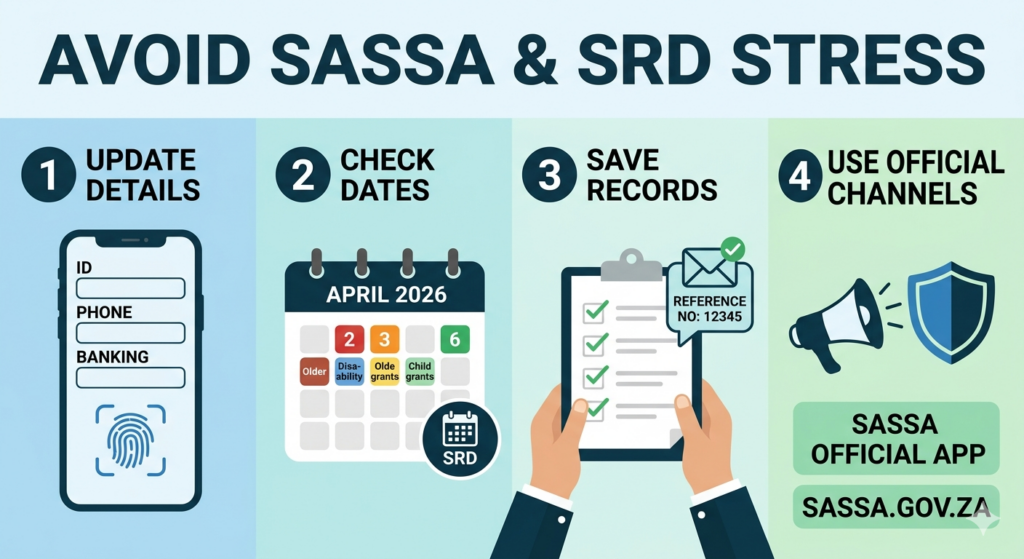
South Africans depending on SASSA and the SRD grant can reduce a lot of stress by staying organized, checking updates early, and avoiding mistakes that delay payment. As of April 2026, most grants increased, while the SRD grant remains at R370 and continues to be paid on individual dates later in the month.
How to reduce grant stress
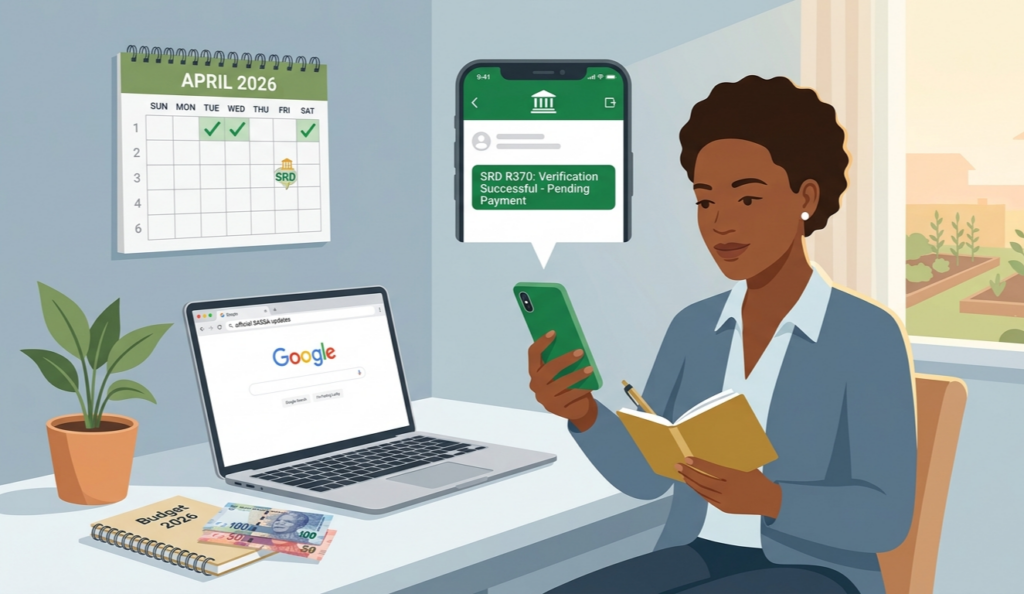
Stress around SASSA and SRD usually comes from uncertainty, missing information, or avoidable errors. The best way to handle it is to treat your grant like an important monthly task: verify your details, track your status, and keep proof of everything you submit.
1) Keep your details updated
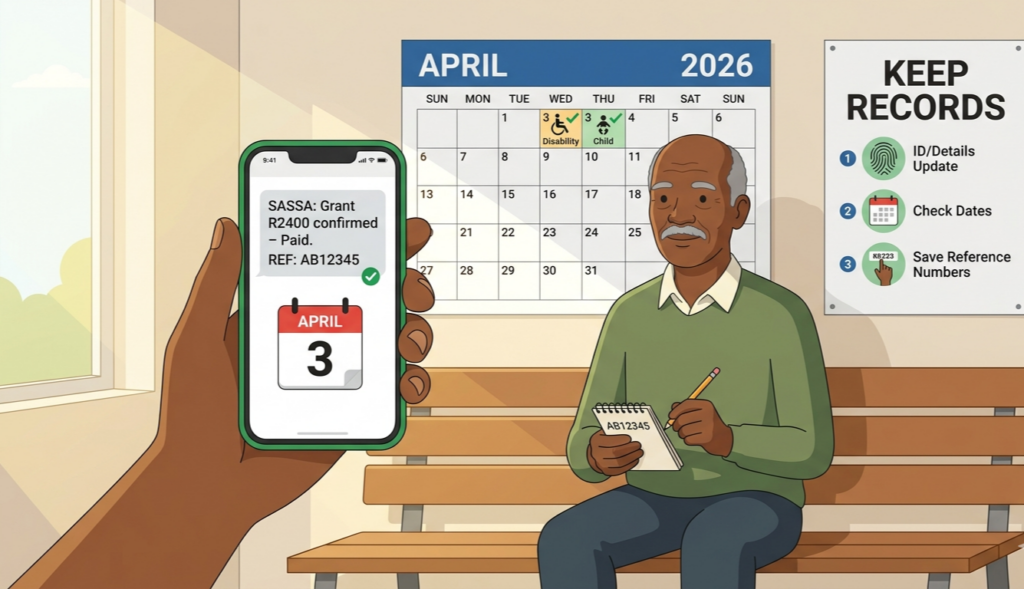
Make sure your ID number, phone number, banking details, and address are correct and active. SASSA’s review process is stricter in 2026, with biometric enrolment for new applications and life certification for some beneficiaries, so outdated details can create delays.
2) Check payment dates early
SASSA pays in phases each month, which helps reduce queues and confusion. In April 2026, expected payment days for the main grants were listed as 2 April for older persons, 3 April for disability, and 6 April for child-related and other grants, while SRD payments are issued individually later in the month.
3) Save every reference number
When you apply, appeal, or submit a query, keep the reference number, screenshots, and any SMS confirmation. This makes follow-up easier and helps you prove what was submitted if something goes wrong.
4) Use one trusted source
Avoid relying on rumors, forwarded messages, or random social media posts. SASSA has been modernizing its process with self-service tools, so it is smarter to use official channels and verified updates rather than chasing unconfirmed information.
5) Respond fast to review notices
If SASSA sends a review SMS or asks for more information, respond quickly. The agency says its grant review process is meant to prevent irregular payments and reduce fraud, so ignoring it can put your grant at risk.
SRD-specific tips
The SRD grant has its own rhythm, and that is where many people get anxious. Since payment dates are not fixed like other grants, you should check your status regularly and not assume a delay means rejection.
– Confirm that your phone number is active and in your name.
– Recheck your status before and after the expected payment window.
– If rejected, appeal within the allowed time and keep proof of submission.
– Make sure your income and banking details are accurate, because mismatches can affect verification.
Money habits that help
A little planning lowers pressure while you wait for payment. Separate essentials like transport, food, and debt payments, and avoid spending the full grant on day one unless it is necessary. Even with the April 2026 increases for most grants, the SRD amount remains limited at R370, so budgeting matters more than ever.
Common mistakes to avoid
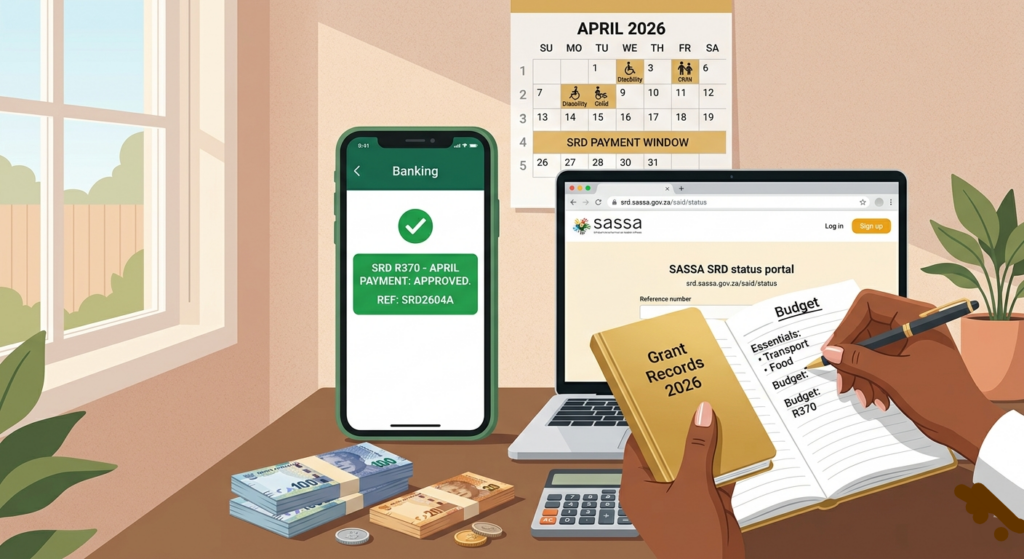
Do not use a SIM card you no longer control, because status messages may go to the wrong number. Do not submit multiple applications with different details, because that can trigger verification problems. Do not ignore SASSA reviews, and do not assume unpaid status means permanent rejection.
The least stressful way to manage SASSA and SRD is to stay proactive, keep records, and check official updates before panic sets in. When your details are correct and your routine is organized, most grant-related stress becomes manageable rather than overwhelming.