Someone Is Using Your ID to Claim an SRD Grant: How to Stop It Fast
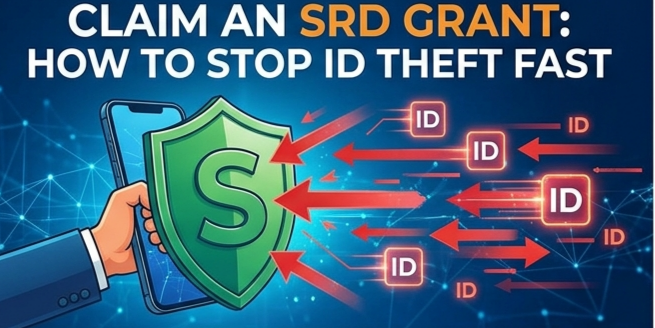
Someone using your ID to claim an SRD grant is a serious identity-theft problem, but you can act quickly to protect yourself and push for a fix. The safest response is to verify the fraud, report it through the proper channels, and secure every part of your identity that may have been exposed.
What this fraud looks like
SRD grant fraud usually happens when another person gets hold of your ID number, phone number, bank details, or other personal information and uses it to register or manage a grant claim.
Scammers may also pretend to be SASSA, send fake links, or pressure you to share sensitive details. Official guidance warns that SASSA will not ask you to confirm private information through suspicious messages, and that you should only use trusted channels for grant-related updates.
A warning sign is getting unexpected messages about a grant application you never made, seeing strange status changes, or discovering payment activity linked to your name that you do not recognize. Another red flag is being asked for your PIN, card details, or bank information by someone claiming to “help” you fix the problem.
Stop it fast
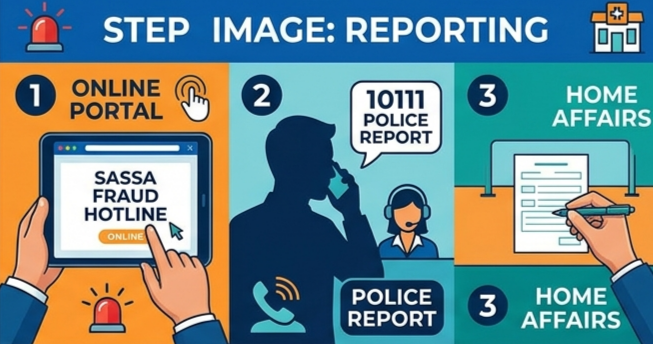
Act immediately if you suspect your ID is being used. First, report the issue to SASSA through the official fraud or helpline contact and ask for a review of the application or account activity in your name.
Guidance sources also advise visiting a SASSA office in person if needed, especially when the problem is ongoing or you need direct verification.
Next, file a police report if your identity documents, bank details, or money have been misused. You should also inform Home Affairs if your ID document was lost, stolen, or compromised, because that helps reduce the chance of further fraud. If banking details were involved, notify your bank right away so the account can be protected.
Evidence to gather
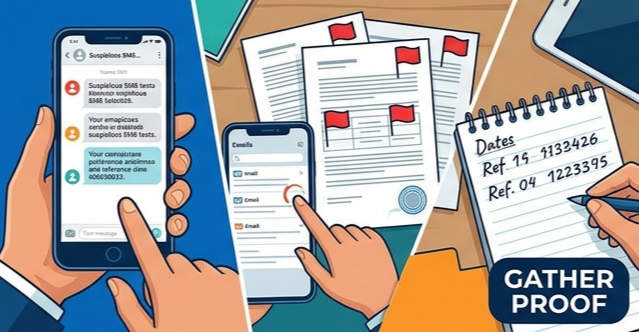
Before you report, save every piece of proof you can find. That includes screenshots of suspicious SMS messages, WhatsApp chats, emails, payment notices, or status updates connected to the fraudulent claim. If you visited an office or made calls, write down the dates, times, and names of the people you spoke to.
This matters because clear evidence makes it easier for SASSA and the police to trace the fraud and separate your real identity from the false claim. Keep copies of your ID, contact details, and any reference numbers you receive during the process.
How to protect your identity
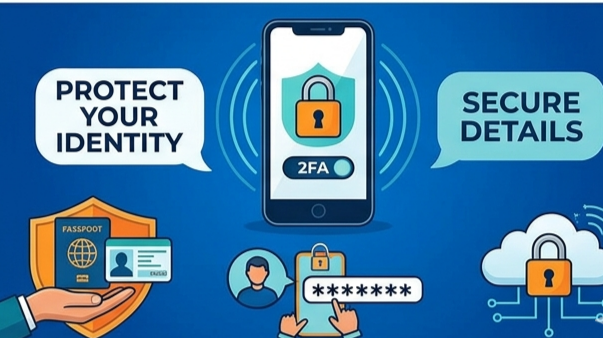
After reporting the fraud, tighten your personal security so the problem does not repeat itself. Do not share your ID number, SASSA-related details, or banking information with anyone unless you are sure the request is genuine. Avoid clicking on links in unsolicited messages, and use only official SASSA channels for updates or applications.
It is also smart to check your status regularly and watch for changes you did not authorize. Use a strong password for online services, avoid public Wi-Fi for sensitive logins, and make sure your phone number and bank details are secure. If your ID card or other documents were stolen, replace them as soon as possible.
When the claim is already active
If the fraudulent claim is already registered, do not ignore it or wait for it to resolve itself. Ask SASSA to investigate the record and block further misuse, then follow up until you get a clear outcome. If the matter involves a false applicant, stolen phone number, or bank account changes, each of those issues may need to be handled separately.
Keep a record of all replies and reference numbers. That paper trail can help if you need to escalate the issue later or prove that you reported the fraud promptly.
Final warning
Identity theft tied to SRD grants can affect your money, your records, and your future applications, so speed matters. Report the fraud, secure your documents, and keep checking for any new activity linked to your name.