How to Spot Fake WhatsApp “SASSA Agents” and Report Them in 2026
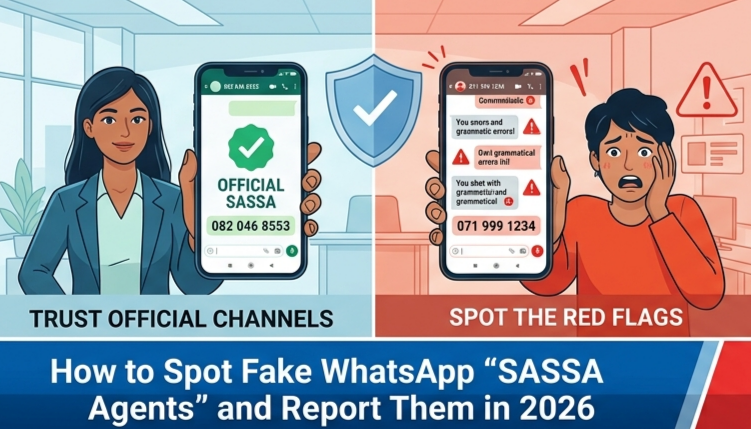
Fake WhatsApp “SASSA agents” are still a serious scam in 2026, but they’re easy to expose once you know the warning signs. The safest approach is simple: trust only official SASSA channels, never share sensitive details on WhatsApp, and report anything suspicious immediately.
Why these scams work
Scammers usually create panic or excitement around grants, then rush you into replying before you can think clearly. They may promise a payout, claim your grant is at risk, or say they can “speed up” an application for a fee. SASSA does not ask beneficiaries to verify personal information through random WhatsApp messages, and the official grant process is free.
Clear signs the sender is fake
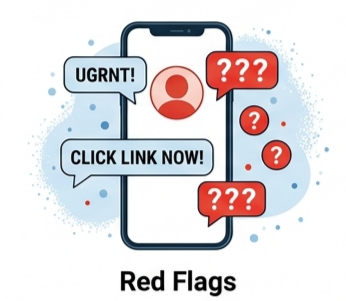
A fake “agent” often uses urgent language, spelling mistakes, or suspicious links that do not match official SASSA domains. They may ask for your ID number, banking details, PIN, OTP, or password, which legitimate officials should never request through WhatsApp. If the message demands payment, threatens suspension, or promises “guaranteed approval,” treat it as a scam.
What real SASSA communication looks like
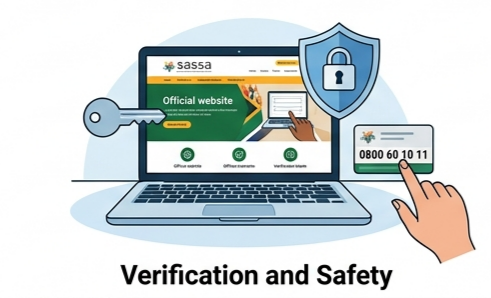
Official SASSA communication comes through verified channels, not random personal numbers. Publicly listed contact details include the toll-free helpline 0800 60 10 11, the fraud hotline 0800 701 701, the official WhatsApp line 082 046 8553, and official websites such as sassa.gov.za and srd.sassa.gov.za. If the message comes from a different number, a copied profile photo, or a strange link, do not trust it.
What to do before you reply
Pause before clicking anything. Check the sender’s number, look closely at the message wording, and compare the claim with the official SASSA website or helpline. If the sender asks you to forward a code, click a link, or install an app, stop immediately because WhatsApp itself warns that these are common scam signs.
How to report fake WhatsApp agents
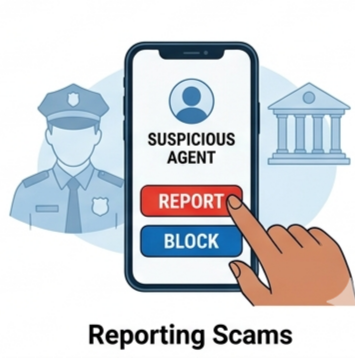
Report the message to WhatsApp first, then block the number and delete the chat. Next, report the scam to SASSA through the fraud hotline 0800 701 701 or the contact line 0800 60 10 11, and keep screenshots of the conversation as evidence. If you shared banking details or lost money, contact your bank immediately and open a fraud case with the South African Police Service, then take the case number to your nearest SASSA office if needed.
If you have already responded
Act quickly if you shared any personal information. Change your passwords or PINs, watch for unauthorized transactions, and tell your bank that your details may have been compromised. Even if no money was stolen, reporting the scam helps protect other beneficiaries from the same fake agent.
Simple safety habits
Keep your grant information private, even if the message sounds convincing. Never pay anyone to help with an application or “appeal,” because legitimate SASSA services are free. When in doubt, verify the claim through official SASSA channels instead of replying to the message itself.
Fake SASSA WhatsApp agents rely on pressure, fear, and confusion, but those tactics fail the moment you slow down and verify the source. If the message asks for money, sensitive details, or urgent action, it is almost certainly fake.