The Real Story Behind SASSA and SRD Grants in South Africa 2026
Behind every monthly grant payment lies a battle most beneficiaries never see, fought in courtrooms, government offices, and parliamentary committees. In 2026, that battle has intensified. While millions of South Africans queue at pay points and check their status online, a parallel struggle over who deserves access, how much they should receive, and whether the system itself is lawful, is reshaping the country’s entire social assistance landscape.
What Is SASSA and How Did We Get Here?
The South African Social Security Agency (SASSA) has grown from administering roughly 2 million grants in 2005 to supporting over 26.5 million beneficiaries across eight grant categories today. Its R292.8 billion budget for 2026/27 is the single largest commitment in the country’s social development spending, covering the elderly, disabled citizens, children, foster families, caregivers, and the unemployed.
Social grants are not handouts. Research consistently shows they reduce hunger, improve school attendance, support child nutrition, and stimulate local township economies when recipients spend in nearby shops and informal markets. In a country where 45% of the population depends on grants as a primary income source, SASSA is effectively the economic backbone of millions of households.
The Court Case That Could Change Everything
While most beneficiaries focus on monthly payment dates, one of the most significant legal battles in South Africa’s social assistance history is playing out at the Supreme Court of Appeal right now.
In January 2025, Judge Leonard Twala of the Pretoria High Court ruled that several key SRD grant regulations were unconstitutional and invalid. His ruling found that:
The online-only application system unlawfully excludes millions without smartphone or internet access
The R624 income threshold treats all deposits as income, meaning a single gift from a family member disqualifies an applicant
The grant value itself has deteriorated in real terms and must be progressively increased
The government had been “deliberately excluding” eligible beneficiaries to keep spending within budget
The government through the Department of Social Development and National Treasury appealed the ruling. Activists from the Institute for Economic Justice (IEJ) and the #PayTheGrants campaign are fighting back, arguing that the state is deliberately using administrative barriers to deny millions of qualifying South Africans their constitutional right to social assistance.
As of 2 April 2026, this case is still before the Supreme Court of Appeal, with no final ruling yet delivered. The outcome will determine whether 18 million working-age South Africans with incomes below the food poverty line; currently locked out of the SRD grant can finally access it.
The 2026 Grant Review Crackdown — Are You in the Crosshairs?
While the legal battle continues, SASSA has launched its most aggressive internal crackdown in years. The agency has identified approximately 495,000 suspect beneficiaries for formal grant reviews in 2026, targeting those flagged through income verification, biometric checks, and cross-database referencing with SARS, UIF, Home Affairs, and credit bureaus.
What you need to know about grant reviews:
* Nearly 400,000 beneficiaries have already been formally notified
* Of those reviewed, 70,000 grants were suspended immediately for non-compliance
SASSA has introduced a “fourth payment date”, if your grant is suddenly paid on an unusual day late in the month, it is a signal that SASSA needs you to visit your nearest local office for a review.
Beneficiaries are given 30 days to respond to a review notice before suspension. After suspension, a final notice is issued before cancellation but grants can still be reinstated within this window.
You are legally obligated to report any change in income, marital status, or financial circumstances to SASSA. The reviews are saving government approximately R44 million per month and SASSA has pledged the process will only intensify throughout 2026.
If you receive a review notice, do not ignore it. Failure to respond is treated the same as confirming you no longer qualify.
SRD R370 Grant — Extended but Frozen
The Social Relief of Distress R370 grant is officially running until 31 March 2027, backed by R36.9 billion from National Treasury. Over 8 million unemployed South Africans receive it monthly.
However, despite the High Court ordering the government to increase both the grant value and the income threshold, the SRD remains frozen at R370 for the third consecutive year, meaning it is now worth less in real terms than the R350 it started at in 2020. Civil society groups, including Black Sash and the IEJ, have called this a betrayal of the court’s intent.
To qualify for the SRD R370 in April 2026:
📌 Be a South African citizen, permanent resident, refugee, or valid permit holder aged 18 to 59
📌 Earn less than R624 per month based on bank records, not self-reporting
📌 Not receive any other SASSA grant (the Child Support Grant is the one exception)
📌 Not receive UIF, NSFAS, or government payroll income
📌 Not refuse available work or educational opportunities without good reason
📌 Not reside in a government-funded institution
Apply free of charge through these channels:
WhatsApp: Save 082 054 0016 and send “Hi”
USSD (no data needed): Dial *134*7737#
Toll-free: 0800 60 10 11 on weekdays
New Grant Amounts From 1 April 2026
Every permanent grant increased automatically from the start of this financial year. No registration or application is needed to receive higher amounts.
Updated amounts effective 1 April 2026:
1. Older Persons Grant (60–74): R2,400 — up R80
2. Older Persons Grant (75+): R2,420 — up R80
3. Disability Grant: R2,400 — up R80
4. Care Dependency Grant: R2,400 — up R80
5. War Veterans Grant: R2,420 — up R80
6. Foster Child Grant: R1,290 — up R40 (second step to R1,300 in October 2026)
7. Child Support Grant and Grant-in-Aid: R580 — up R20
SRD Grant: R370 — unchanged
April 2026 Payment Dates
Grants are staggered across three days to prevent overcrowding. Easter has pushed the schedule later this month.
April 2026 confirmed payment dates:
+ Older Persons Grant: 2 April (already paid today)
+ Disability Grant: 7 April
+ Children’s Grants: 8 April — after Easter long weekend
+ SRD R370: Two windows — 23–24 April and 29–30 April
Funds remain available after the payment date, no need to rush. If payment has not arrived within two to three working days of your expected date, call 0800 60 10 11.
How to Check Your Status and Appeal a Decline
Check your SRD status monthly through these official channels
WhatsApp: Message 082 046 8553, type “Status”
USSD: Dial *120*69277# — no data needed
Toll-free: 0800 60 10 11
If declined, appeal within 30 days at srd.sassa.gov.za/appeals/appeal or srd.dsd.gov.za/appeals. Select your declined month, state your reason, and upload a bank statement or affidavit. The Independent Tribunal for Social Assistance Appeals (ITSAA) reviews all cases independently.
No response after 60 days? Contact ITSAA: 012 312 7727 | grantappeals@dsd.gov.za
If your appeal is rejected and you believe an error was made, you may apply for a High Court judicial review within 180 days. For free legal support, contact Legal Aid South Africa: 0800 110 110.
Urgent: Gold Card Holders Must Act Now
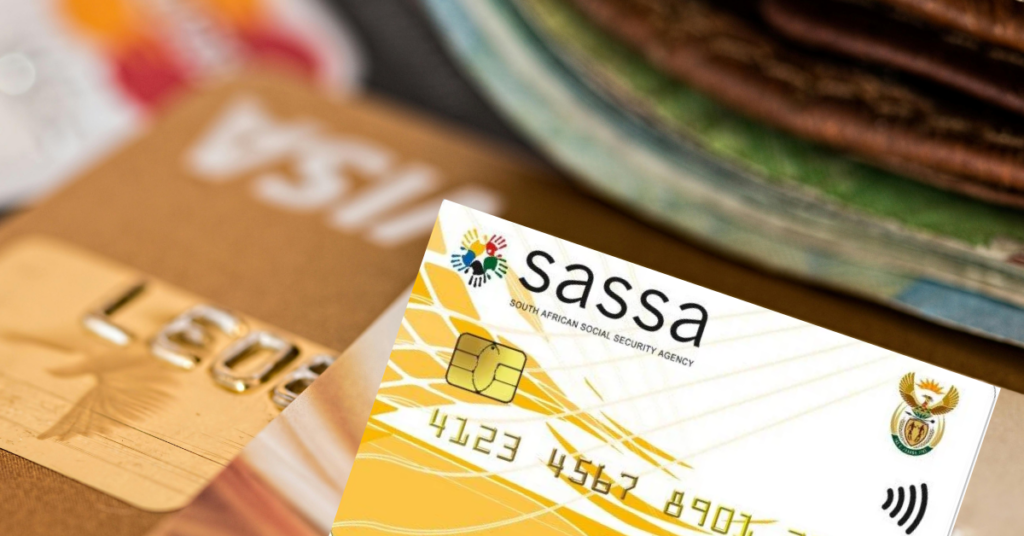
Around 600,000 SASSA beneficiaries still use the old gold card, which is being phased out after a 2021 security breach. Postbank resumes its Black Card migration campaign from mid-April through July 2026. Swaps happen at participating retailers and Postbank branches. Delaying risks losing ATM access. Find your nearest swap point: Dial *120*355# or call 0800 53 54 55
Official Contacts
SASSA Website: www.sassa.gov.za
SRD Portal: srd.sassa.gov.za
Appeals: srd.sassa.gov.za/appeals/appeal
DSD Appeals: srd.dsd.gov.za/appeals
WhatsApp Status: 082 046 8553 | Apply: 082 054 0016
Helpline: 0800 60 10 11 | ITSAA: 012 312 7727
Legal Aid SA: 0800 110 110 | Postbank: 0800 53 54 55
Email: GrantEnquiries@sassa.gov.za


2 thoughts on “The Real Story Behind SASSA and SRD Grants in South Africa 2026”
Comments are closed.