How to Prepare a SASSA Grant File So Your Next Application Gets Approved the First Time
Applying for a SASSA grant can be stressful, especially when delays follow missing documents or inconsistent information. Whether you’re applying for a Child Support Grant, Older Person’s Grant, Disability Grant, or SRD R350 (Social Relief of Distress), a well-prepared file reduces processing time and increases the chance of approval. This guide gives clear, up-to-date steps and practical tips to assemble a complete SASSA file the first time.
1. Know which grant you’re applying for
– Identify the correct grant product (Child Support, Care Dependency, Older Person, Disability, SRD R350, Foster Child, etc.). Each has its own eligibility rules and required documents.
– Check SASSA’s official website or the SASSA app for any recent policy changes or temporary relief measures before you prepare your file.
2. Gather primary identity documents
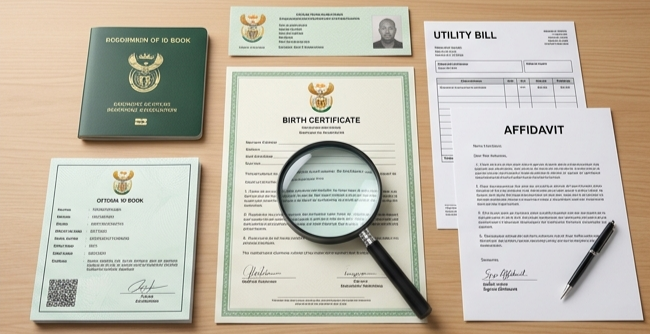
– ID document: Smart ID card or valid ID book for the applicant and co-applicant/guardian where required.
– Birth certificates: For children’s grants, include the child’s birth certificate (or official proof of birth).
– Passport or asylum seekers permit where applicable.
– If a document is lost, request a replacement from the Department of Home Affairs before submitting.
3. Collect proof of residence and contact details
– Recent utility bill, municipal account, or affidavit confirming residence. SASSA accepts sworn statements where formal proof isn’t available, but these must be correctly completed.
– Provide a valid phone number and alternative contact details. Keep these active during processing.
4. Income and means evidence
– Payslips for employed applicants (most recent three months) or an affidavit confirming unemployment if informal.
– Bank statements for the past three months showing income and financial transactions.
– UIF, pension, or grant statements (if receiving other social assistance). SASSA cross-checks for duplication.
– For informal workers, include a signed affidavit or letter from a local authority confirming income status.
5. Medical and disability documentation (if applicable)
– Medical reports, assessments, and Form SASSA requires (e.g., Disability Assessment Forms) completed by a registered medical practitioner.
– Recent clinical records and proof of ongoing treatment where relevant.
– Ensure medical reports explicitly describe functional limitations and diagnosis — vague notes can lead to delays.
6. Relationship and guardianship proof
– Marriage certificate, divorce decree, or affidavits for single parents.
– Foster care placement orders or court orders for foster grants.
– Guardianship affidavits or court confirmations for legal guardians applying on behalf of minors.
7. Complete application forms accurately
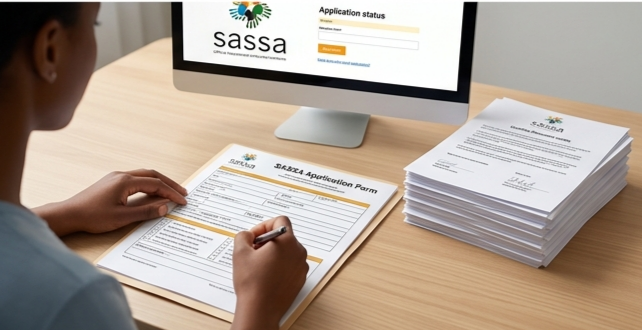
– Use the latest SASSA forms available on the official site or at a SASSA office.
– Fill in every required field; write clearly or complete digitally when possible.
– Double-check details like ID numbers, names, addresses, and signatures. Inconsistencies are a common reason for rejection.
8. Prepare sworn statements and affidavits properly
– Where affidavits are needed (income, residence, or marital status), have them commissioned at the police station, commissioner of oaths, or magistrate.
– Use precise language, include dates, and sign in front of the commissioner.
9. Organize files and make copies
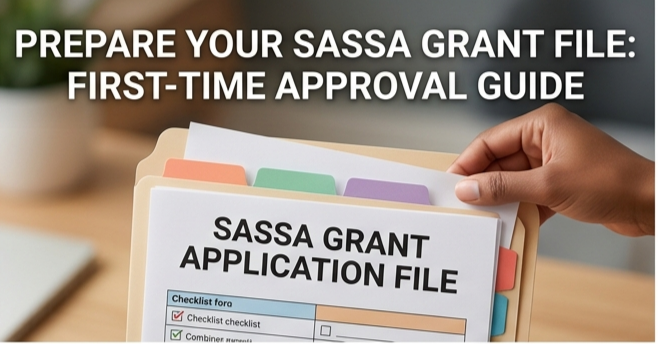
– Create a checklist and file folder with originals and certified copies.
– Use a simple index page so a SASSA official can quickly locate documents.
– Keep digital scans or photographs of each document in case SASSA requests electronic copies.
10. Submit at the correct channel and follow submission rules
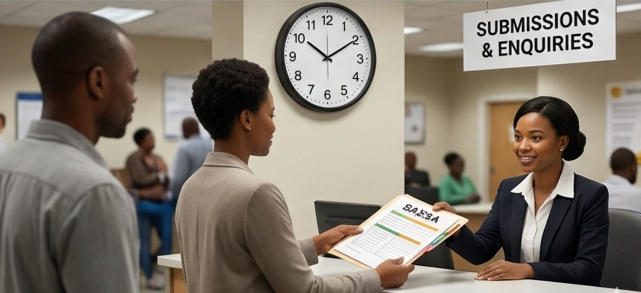
– Submit in person at a SASSA office, via the official SASSA app, or the SRD portal for R350 where applicable.
– Make an appointment if required. Note the operating hours of the local SASSA office and bring your original documents for verification.
– Obtain and keep proof of submission: stamped receipts, reference numbers, or SMS confirmations.
11. Track and respond to requests quickly
– Use the SASSA tracking tools or call the SASSA contact center. Respond to requests for additional documents promptly.
– Keep a record of dates, names of officials you spoke with, and any reference numbers.
12. Common pitfalls and how to avoid them
– Incomplete medical evidence for disability claims: get detailed assessments.
– Wrong or inconsistent ID numbers and names: verify every number and spelling.
– Outdated forms: always use the current forms from the SASSA website.
– Missing certified copies: know when originals are needed versus certified copies.
– Late responses to queries: set reminders and check messages frequently.
Conclusion
A comprehensive, well-organized SASSA file minimizes delays and increases the chance of approval on your first submission. Verify the exact requirements for your grant, collect precise documentation, and use the official SASSA channels for submission and tracking.