SASSA Grant Recipients: Here’s Exactly How Your Social Grant Impacts Your SARS Auto-Assessment and Tax Return (2026 Update)
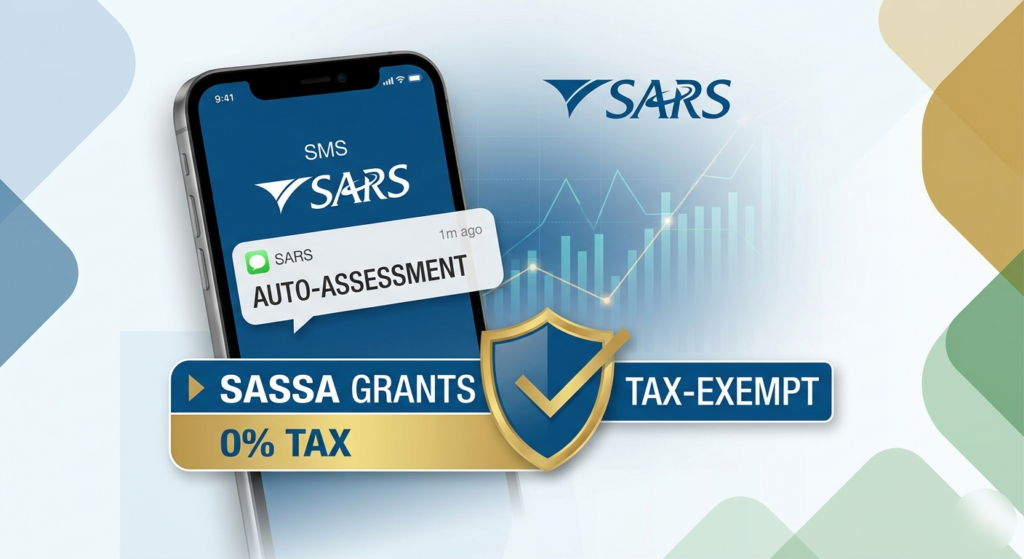
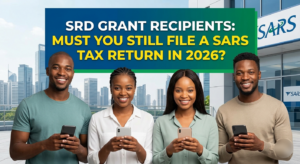
If you receive a SASSA grant, you’re probably wondering whether it affects your SARS auto-assessment or tax return. The short answer: SASSA grants are tax-exempt and do not need to be declared on your SARS tax return. However, there are important nuances you need to understand about auto-assessments, means testing, and when you might still need to file.
SASSA Grants Are Tax-Exempt Under South African Law
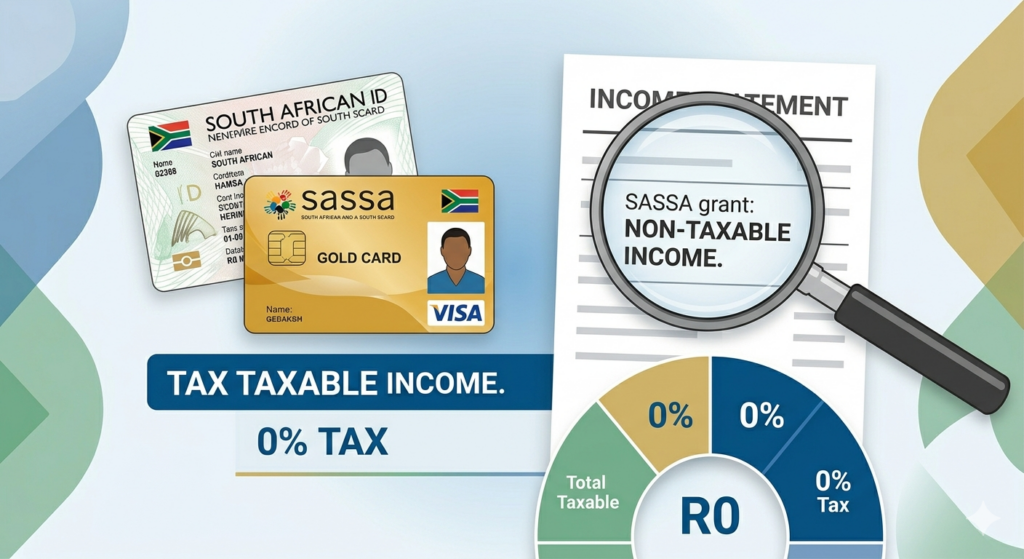
All SASSA social grants, including the Old Age Pension, Disability Grant, Child Support Grant, and SRD (R350) Grant; are completely exempt from income tax in South Africa. This exemption is built into the Income Tax Act, and SARS does not tax these payments.
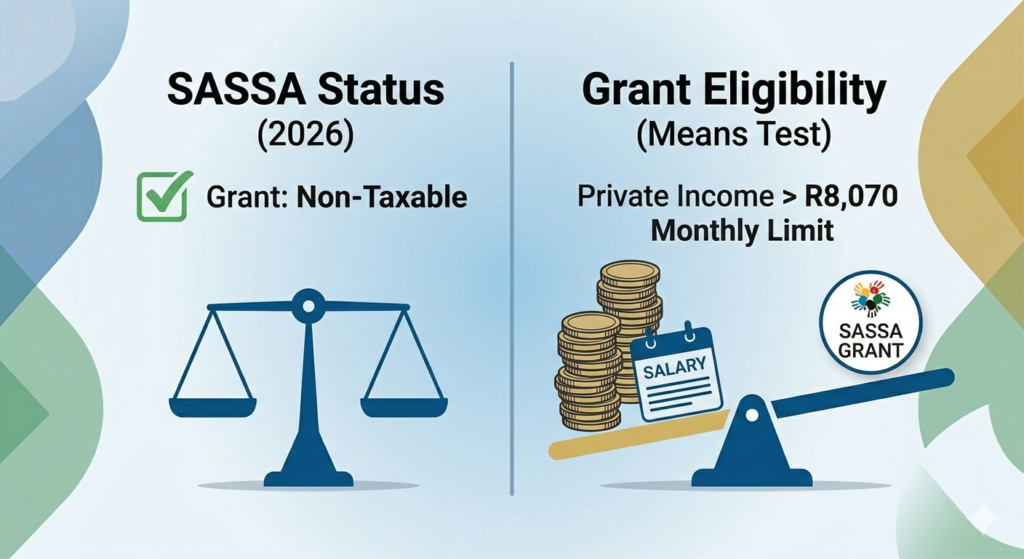
Key facts about SASSA grant tax status:
– No tax is withheld from your monthly grant payment
– You don’t need to declare SASSA income on your ITR12 tax return
– SASSA grants don’t count toward your taxable income threshold
– The exemption exists to ensure vulnerable beneficiaries use funds entirely for their intended purpose.
How SARS Auto-Assessment Works for Grant Recipients
SARS auto-assessment is designed for taxpayers with simple tax affairs. The system automatically calculates your tax using data from third parties like employers, banks, and medical schemes.
What This Means for You:
– SASSA doesn’t report grant payments to SARS since they’re non-taxable
– If your only income is a SASSA grant, you likely won’t receive an auto-assessment at all
– Auto-assessments typically go to people with employment income, investment income, or medical scheme benefits
– You’ll receive an SMS or email notification if SARS auto-assesses you
The 40-Day Rule:
If you disagree with your auto-assessment or need to add information (like additional non-taxable income), you have 40 working days to file a corrected return via eFiling or the SARS MobiApp.
The New 2026 Income Rule That Affects SASSA Eligibility
Starting in 2026, SASSA introduced a new income threshold that impacts grant eligibility not taxation, but your qualification for the grant itself.
| Detail | Requirement |
| Monthly income limit (single) | R8,070 |
| Monthly income limit (married) | R16,140 |
| Applies to | New applicants + existing beneficiaries |
| Required proof | Payslips, bank statements, employer letter |
If you earn more than R8,070 monthly from private income (salary, pension, business, rental, farming), your grant may be reduced or discontinued.
This means SASSA now cross-checks your income and while your grant remains tax-exempt, having other taxable income could disqualify you from receiving it.
When You Still Need to File a Tax Return (Even With a SASSA Grant)
Even though your SASSA grant is non-taxable, you may need to file a return if:
1. You have additional income beyond your grant (employment, rental, business, investments)
2. You want to claim a tax refund from PAYE withheld by your employer
3. SARS auto-assessed you incorrectly and included income you didn’t receive
4. You have medical expenses or other deductions you want to claim.
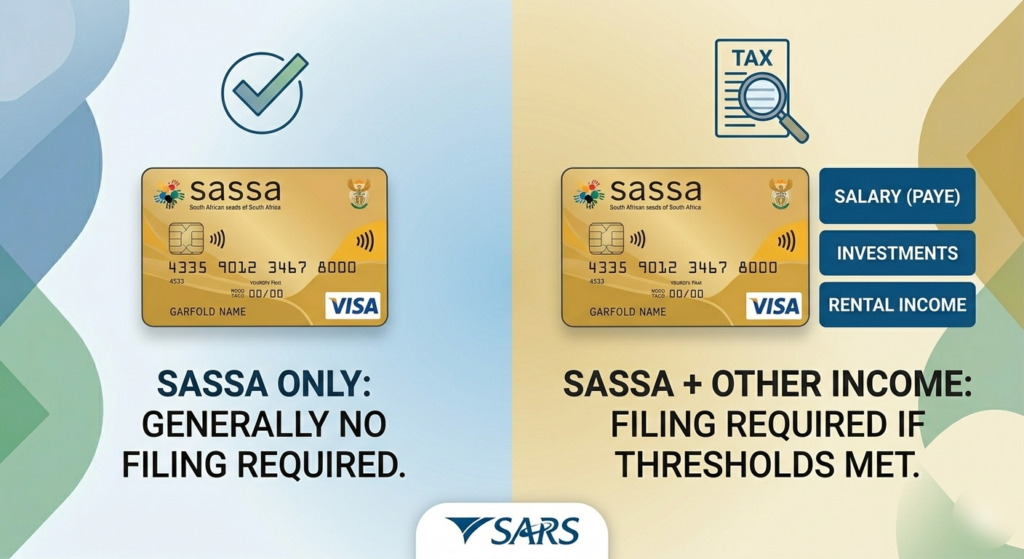
If you only receive a SASSA grant and nothing else, you generally don’t need to register for tax or file a return.
Important Steps to Protect Yourself
If You Receive an Auto-Assessment:
– Log into eFiling or SARS MobiApp to review your assessment.
– Check third-party data certificates to verify what SARS has on record
– Don’t accept incorrect assessments file a return within 40 working days if something’s wrong.
Keep Records Anyway:
Even though you don’t declare SASSA grants, keep:
– Grant payment statements from SASSA
– Proof of any other income you receive
– Bank statements showing grant deposits
– SASSA correspondence about your eligibility
SARS may request these documents if they query your assessment.
Common Mistakes SASSA Recipients Make
– Thinking they must declare SASSA grants on tax returns (they don’t)
– Accepting auto-assessments without checking when they include incorrect income
– Not updating personal details with SARS, which disqualifies them from auto-assessment.
– Assuming they’re automatically exempt from filing when they have other taxable income
The Bottom Line for 2026
Your SASSA grant does not affect your SARS tax liability because it’s tax-exempt. You don’t declare it, and it doesn’t count toward your taxable income. However, the new R8,070 monthly income rule means SASSA will check whether you have other income that could disqualify you from receiving the grant.
If you only receive a SASSA grant with no other income, you typically won’t need to file a tax return. But if you have additional income or receive an auto-assessment that doesn’t match your situation, file a corrected return within 40 working days to avoid penalties up to 200% of tax payable.
Stay compliant, keep your records, and when in doubt, use SARS digital platforms (eFiling, SARS MobiApp, WhatsApp at 0800 11 7277) for free assistance.