Stop the Mid‑June Money Crash: How to Make Your SASSA Grant Last Through June 30
If you live on a SASSA grant, running out of cash by mid‑June is a real risk, but it’s avoidable. With the right weekly plan, fee cuts, and smart shopping, you can stretch your grant from payment day through the end of June without borrowing.
Know Your Exact June Income and Payment Date First
– Add up all grants you receive (SRD R350, Child Support, Older Persons, Disability) to get your true household income.
– Confirm your June payment date early so you can split your money into four weekly buckets instead of spending it all at once.
– Write down your total and the week-by-week amounts; this simple step prevents overspending in the first 10 days.
Plug the Hidden Leaks That Drain Your Grant Before You Spend It
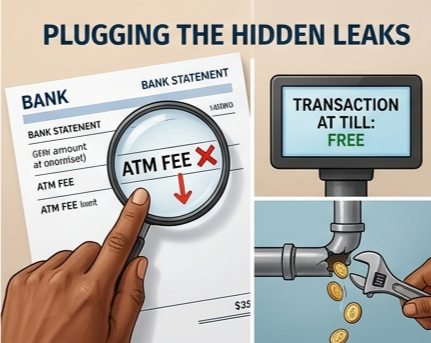
Many beneficiaries lose money to fees and deductions before they even touch their cash. Stop these leaks in 2026:
– Switch to a zero‑fee account (e.g., TymeBank or Capitec) and update your SASSA details online; this alone can save you hundreds per year in ATM and statement fees.
– Withdraw cash at supermarket tills (Shoprite, Checkers, Pick n Pay, Boxer) instead of stand‑alone ATMs; fees are often R2–R5 vs R10+.
– Check for unauthorized deductions (airtime, services you didn’t sign up for). Get a bank statement, fill out SASSA’s Annexure C form at your local office, and submit it to stop illegal debits.
– Reassess funeral cover: a R50/month policy can be over 14% of an R350 grant and may lapse if a payment is missed, leaving you with no cover and lost money.
Build a Simple Four‑Week Budget That Survives Until End‑June
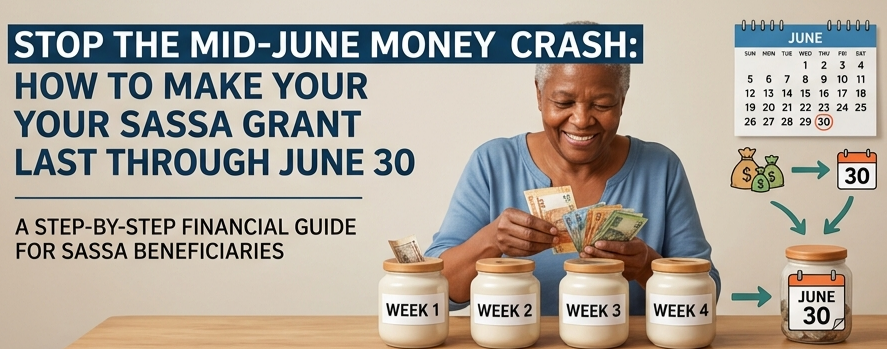
Treat your grant like four smaller paydays, not one big lump sum.
– Week 1 (payday week): Cover essentials only, food staples, electricity/voucher, transport, and any school needs. Set a strict cap for each category.
– Weeks 2–3: Buy only what’s on your list; avoid “small shop” trips and unplanned snacks. Track taxi fare and airtime daily,these small leaks add up fast.
– Week 4 (run‑down week): Use leftovers for urgent needs; if you have nothing left, you already know you overspent earlier and can adjust next month.
– Apply a simple rule: needs first, then a tiny emergency stash, then wants. A common split is 50% needs, 30% wants, 20% savings/debt, but on a grant, prioritize needs and aim for even a R20–R50 weekly emergency set‑aside.
Shop Smarter So Your Food Money Lasts

Smart shopping can stretch your grocery budget by 15–25% with no drop in quality.
– Buy staples in larger packs when the unit price is lower; focus on mealies, rice, beans, flour, and seasonal veggies.
– Compare specials before you go and plan meals around what’s on promotion to avoid impulse buys.
– Cook in batches and pack lunches instead of buying ready meals or taking taxis daily; this cuts both food and transport costs.
– Avoid high‑cost traps like alcohol, cigarettes, and multiple streaming subscriptions—these drain funds that should cover essentials.
Avoid Debt Traps That Guarantee a Mid‑June Crash
Borrowing may feel like a quick fix, but on a SASSA income it often creates a spiral you can’t escape.
– Stay away from mashonisas and high‑interest loans: borrowing R200 and repaying R300–R400 on payday wipes out your next grant and forces another loan.
– Differentiate needs vs. wants and wait 24–48 hours before any non‑essential purchase to curb emotional spending.
– If you’re already in debt, talk to creditors about repayment plans and consider free debt counseling from NGOs rather than taking new loans.
Use Community Support and Free Tools to Fill Gaps
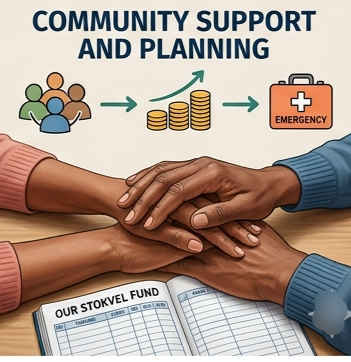
You don’t have to do this alone, South Africa has resources that can reduce your cash pressure.
– Join a small stokvel with trusted friends or family: even R50 per person per week can create a R250–R300 monthly pool for emergencies instead of borrowing.
– Use school nutrition programs and local food initiatives to lower food costs during tight weeks.
– Check your balance for free via SASSA WhatsApp (082 046 8553) or your bank’s USSD code instead of paying ATM balance inquiry fees.
Quick Action Checklist for June
– Confirm total grant income and June payment date
– Switch to a zero‑fee bank account and withdraw at supermarket tills
– Split your grant into four weekly amounts and write them down
– Track every R5 spent on taxi, airtime, and snacks for two weeks
– Stop any unauthorized deduction using Annexure C at your SASSA office
– Set aside at least R20–R50 weekly as an emergency buffer
– [Avoid new loans and cut non‑essentials like alcohol and extra subscriptions
By plugging fee leaks, budgeting weekly, and using community tools, you can confidently make your SASSA grant last through mid‑June—and beyond—without falling into debt.