How To Plan Your Budget for June 2026 Using Your SASSA Payment Dates
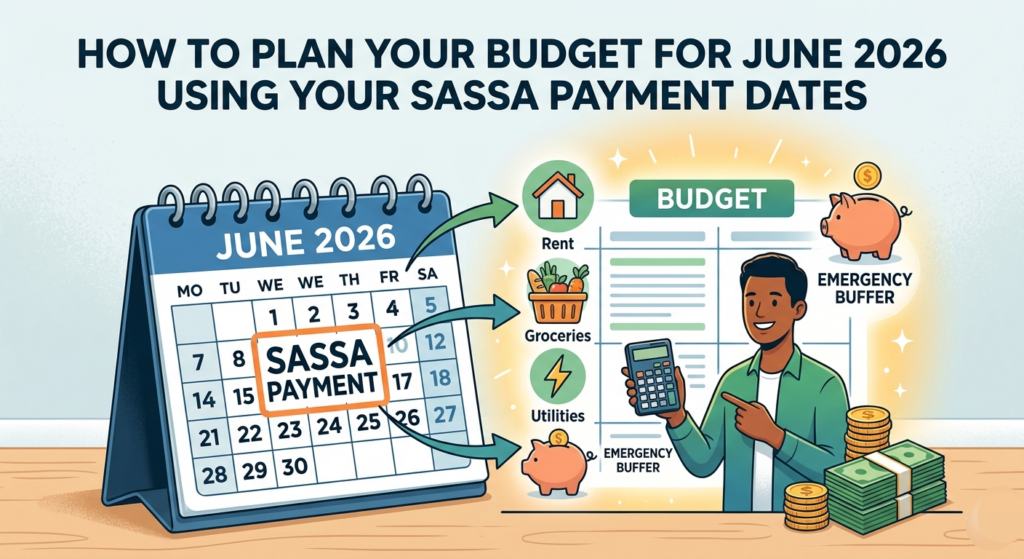
Social grants from the South African Social Security Agency (SASSA) often determine the rhythm of monthly household finances. With June 2026 approaching, planning your budget around your SASSA payment date can reduce stress, prevent overspending, and help you meet both urgent needs and longer-term goals. Use this guide to turn your SASSA deposit into a practical, manageable monthly plan.
Know Your SASSA Payment Date and Method
– Check your exact payment date. SASSA publishes monthly schedules. Confirm whether you receive your grant via bank transfer, Cash Paypoint, or retail payouts. Payment timing can shift slightly, so verify the June 2026 schedule on SASSA’s official site or your grant notification.
– Note the payment window. Some grants are paid over a range of days; plan cash flow for days before and after the deposit.
Set Clear Priorities First
– Immediate essentials: groceries, utilities, medication, and transport. These must be covered within the first few days after payment arrives.
– Obligations: rent, school fees, loan or credit repayments. Identify fixed amounts and due dates.
– Safety net: aim to set aside a small emergency amount to avoid borrowing if something unexpected arises.
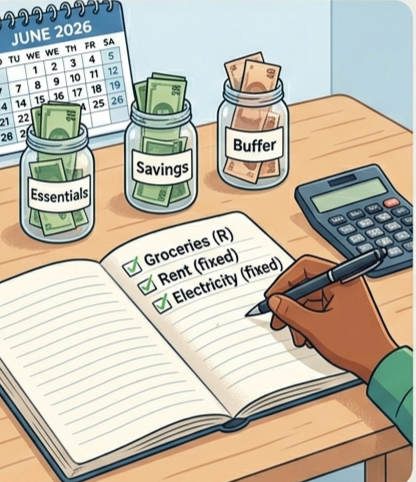
Create a Simple Allocation Plan
– Use the 50/30/20 principle adapted for grant finances:
– 50% essentials (food, utilities, medication, transport)
– 30% obligations and short-term needs (rent, school expenses, small debt payments)
– 20% savings and contingency (even R50–R200 matters)
– If your grant is limited, prioritize essentials and minimum required payments first. Adjust percentages as needed for your situation.
Break Down Weekly Spending
– Map your month into weeks based on your payment date. If paid at month-start, split the grant into four weekly envelopes or digital categories. If mid-month, plan pro rata for the days before your next payment.
– Allocate fixed amounts per week for groceries and transport. Weekly chunking prevents running out mid-month and helps avoid costly last-minute purchases.
Plan for School and Seasonal Costs
– June often includes school-related expenses (uniforms, stationery) and possible mid-year needs. List known school costs now and set aside a weekly or lump-sum amount before discretionary spending.
– Factor in winter-related needs (blankets, warmer clothing) and monthly electricity spikes. Anticipating seasonal costs reduces last-minute pressure.
Use Low-Cost Banking and Payment Tools
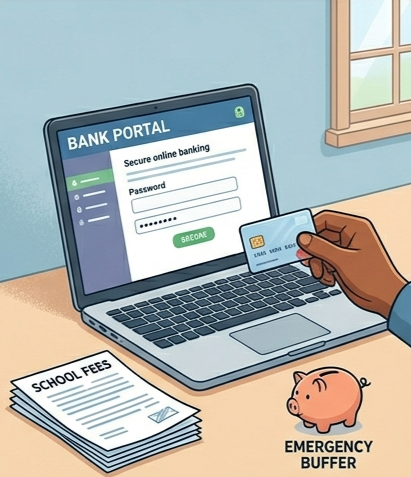
– If you receive bank deposits, use mobile banking to track balances and set reminders for bills. Many banks offer free notifications and daily balance alerts.
– Cash Paypoint users should collect cash promptly to avoid running out or incurring fees. Consider depositing a portion into a low-fee bank account if you can access one to reduce theft risk and track spending.
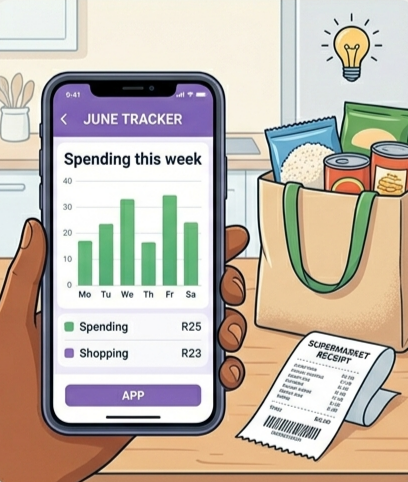
– Use basic budgeting apps or a simple notebook to record every expenditure for June. Tracking builds awareness and prevents small purchases from derailing the budget.
Cut Variable Costs Without Sacrificing Essentials
– Grocery smart: plan 1–2 staple meals per week, buy in-season produce, and compare prices at local markets. Bulk staples (maize meal, rice, lentils) stretch value.
– Reduce electricity by using energy-saving bulbs, limiting geyser use, and batching cooking. Small reductions can lower the electricity bill noticeably.
– Transport: combine trips, use minibuses with known fares, or walk when safe. Saving on transport frees up money for essentials.
Address Debts and Credit Smartly
– Prioritize high-interest debt and overdue essential payments. Avoid additional payday loans if possible.
– If you can only make minimum payments, contact lenders or utility providers to arrange easier terms or payment plans. Many providers offer concessions when asked proactively.
– Keep a record of agreed repayment plans and set reminders tied to your SASSA date.
Build a Small Emergency Buffer
– Even modest savings reduce stress. If 20% for savings is unrealistic, aim for R50–R200 weekly until you reach one week’s grant amount as a buffer.
– Store emergency cash separately (a different envelope or a savings account) to avoid temptation.
Plan for Occasional Discretionary Spending
– Allow a small “fun” amount each week to avoid feeling deprived—this could be a tea, airtime, or short leisure cost. Controlled enjoyment helps maintain the budget longer.
– Prioritize airtime and data packages that keep you informed about SASSA updates and payment confirmations.
Prepare for Payment Delays or Changes
– Have a contingency plan: a close friend or family member who can help with essentials temporarily, or a local community resource (food bank, clinic).
– Keep all SASSA communications and receipts. If a payment is delayed, SASSA often requires proof to resolve issues quickly.
Review and Adjust at Month-End
– At June’s end, review actual spending against the plan. Note where you overspent and where you saved.
– Use lessons learned to refine July’s plan—maybe moving more to weekly cash segments, or adjusting allocations for school expenses.
Quick Checklist for June 2026
– Confirm your exact SASSA deposit date and method for June.
– List fixed costs (rent, meds, utilities) and their due dates.
– Allocate funds in weekly portions tied to your payment date.
– Set aside an emergency buffer, even small amounts.
– Track all spending; adjust mid-month if needed.
– Prepare for delays and keep SASSA communications handy.
Planning around your SASSA payment date turns a single deposit into a predictable monthly flow. With clear priorities, weekly allocations, and a small emergency buffer, you’ll stretch each rand further and reduce financial stress.