If Your SASSA Is Your Only Income, How To Plan for Medical, School, and Rent
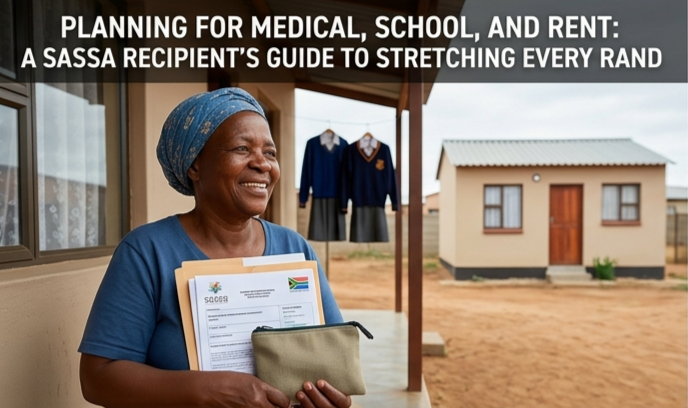
Living on a South African Social Security Agency (SASSA) grant as your sole income creates unique financial pressures—especially when medical bills, school costs, and rent all compete for limited funds. With rising living costs and policy changes through 2026 affecting grant values and social services, careful planning becomes essential. This guide gives practical, up-to-date steps to protect health, education, and housing while stretching each rand.
Why planning matters now
– Grants remain vital safety nets but rarely cover all expenses.
– Inflation and sector-specific price increases (healthcare, schooling, rental markets) reduce purchasing power.
– Newer government and NGO programmes launched through 2024–2026 offer additional support if you know where to look.
1. Know exactly what you receive and what’s available
– Confirm your grant type and schedule: Check SASSA SMSs, MySASSA portal, or your local SASSA office for payment dates and amounts.
– Identify supplementary benefits: Disability supplements, foster care grants, Child Support Grant top-ups, and any municipal relief you might qualify for.
– Register for clinics and local welfare: Many municipalities run food, transport, or emergency housing relief programmes.
2. Prioritise spending using a simple budget
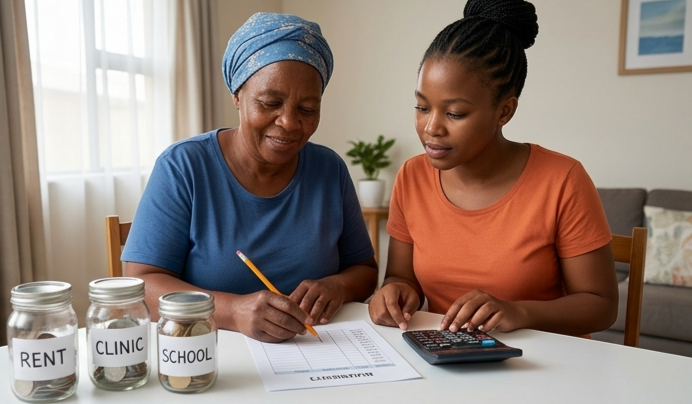
– Use the 50/30/20 idea adapted for constrained income: 60% essentials, 30% fixed/priority bills, 10% savings/emergencies. Adjust percentages to your reality.
– Essentials (food, basic utilities) come first, then rent, medical essentials, and school requirements.
– Track every rand for one month: Write down or use a simple phone app to see where you can cut.
3. Rent: keep shelter secure and affordable
– Communicate with your landlord: If you anticipate late or partial payment, inform them early and propose a realistic plan. Landlords more often prefer an arrangement than eviction processes.
– Negotiate: Ask for staggered payments, smaller increases, or repair-for-rent arrangements.
– Seek subsidy or alternative housing: Apply for municipal housing waitlists, social housing, or NGOs that help with rental assistance. Some faith-based groups offer short-term support.
– Reduce housing costs: consider co-living with trusted family members, or relocating to a lower-rent area if feasible and safe.
4. Medical costs: prevent and protect
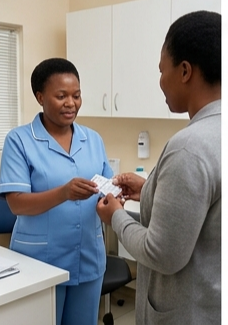
– Use public healthcare first: Register at your nearest public clinic or hospital for primary care and chronic medication (e.g., ARVs, diabetes, hypertension). Public services are free or low-cost for SASSA beneficiaries.
– Enrol in chronic medication programmes: Ensure chronic prescriptions are in the Central Chronic Medicine Dispensing and Distribution (CCMDD) where available to reduce clinic visits and cost.
– Explore medical aid alternatives: While private medical aid may be unaffordable, medical savings or low-cost schemes exist in community cooperatives; research local options carefully.
– Preventive care saves money: Vaccinations, routine check-ups, and early treatment reduce expensive emergencies. Use free screening programmes offered by clinics and NGOs.
– Emergency planning: Identify the nearest public emergency department and know ambulance policies—some provinces have subsidised or free emergency transport for SASSA recipients.
5. School expenses: keep kids learning without breaking the bank
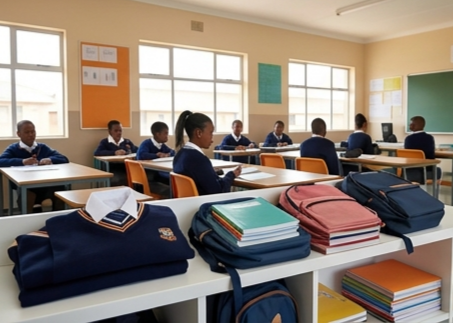
– Register for government support: Apply for fee exemptions at public schools where eligible; many schools provide partial or full exemptions for SASSA recipients.
– Use no-cost policies and programmes: Take advantage of national school nutrition programmes, textbook allocation, and school uniform assistance if offered.
– Prioritise essentials: Pay for registration, uniforms, and textbooks first; defer non-essential extras (excursions, private tutors) where possible.
– After-school options: Local libraries, community centres, and NGOs often provide homework clubs and mentoring at low/no cost.
– Plan for seasonal costs: Save small amounts monthly for peak expenses (school fees, uniforms) using an informal savings jar or community savings group (stokvel).
6. Build small, steady buffers
– Emergency buffer: Aim for even R50–R200 per month into a separate emergency jar or bank account. Over a year, this creates a useful cushion.
– Join a stokvel or savings group: Rotating savings societies can fund larger recurring costs like school fees or rent. Choose trustworthy members and a clear agreement.
– Use payment features wisely: If you have a bank card linked to SASSA, enable SMS alerts and set daily withdraw limits to prevent accidental overspending.
7. Tap into community and government supports
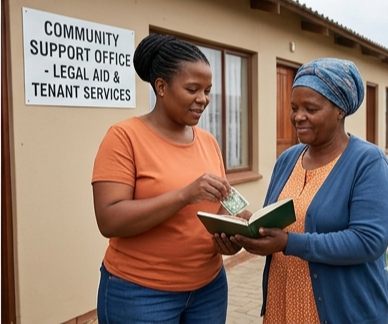
– NGOs and charities: Many organisations provide medical, educational, and housing assistance. Contact local community centres, religious organisations, or social workers for referrals.
– Legal and tenants’ rights: If facing unfair eviction or landlord harassment, consult legal-aid clinics or community legal centres for free advice.
– Skills and income programmes: Check municipal skills training or micro-enterprise programs that provide short courses and sometimes startup kits or seed funding.
8. Mental health and stress management
– Financial strain affects wellbeing. Use free counselling services at community health centres or NGO hotlines.
– Support networks: Lean on family, neighbours, and support groups; sharing resources and information reduces isolation and uncovers local help.
Simple monthly action checklist
– Confirm next SASSA payment date and amount.
– Allocate budget percentages and record all expenses for 30 days.
– Refill chronic meds and book clinic check-ups early.
– Contact school for fee exemptions or support.
– Check for local rental relief or negotiate with landlord if needed.
– Add a small amount to an emergency jar or stokvel.
Living solely on a SASSA grant demands disciplined planning, strong use of public services, and community support. Small consistent actions—registering for public health programmes, seeking fee exemptions, negotiating rent, and saving a little each month—compound into far greater security.