You Got a R2000‑a‑Month Job – Can You Still Keep Your SRD or SASSA Grant in 2026?
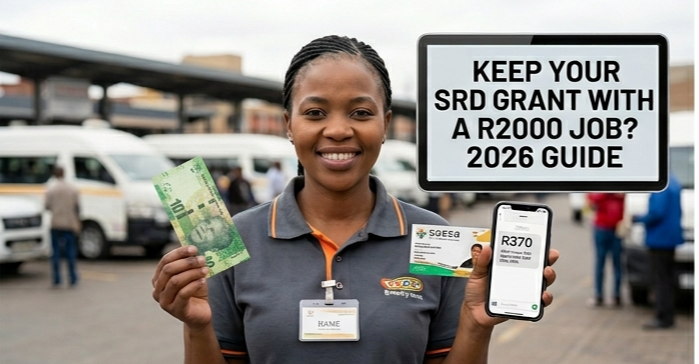
If you’re earning just R2000 a month and still relying on the SASSA Social Relief of Distress (SRD) grant, you’re not alone. Many South Africans are juggling tiny side incomes while trying to qualify for that crucial R370 safety‑net payment. The big question is simple: Does R200 a month count as “income” that could cancel your SRD or other SASSA grants in 2026?
The short answer is: Yes, in most cases you can still qualify, but only if you declare the job and your total income stays under the current threshold.
Below is a clear, up‑to‑date breakdown written in plain language, with no repetition of common SRD guides you’ve already seen.
What the SRD Grant Really Checks
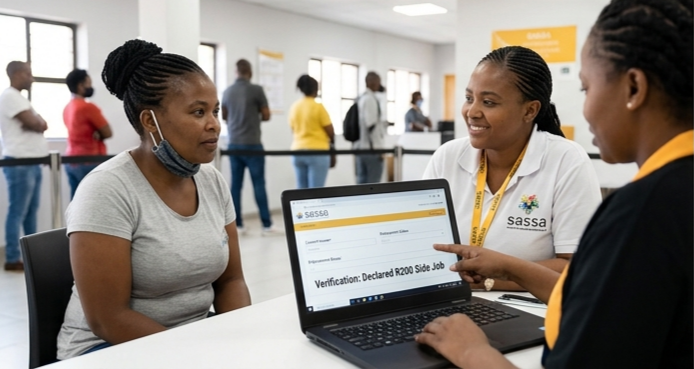
The SRD grant of R370 per month is still active and funded until at least 31 March 2027, with no announced changes to the core eligibility rules for 2026. To qualify, you must be:
– A South African citizen, permanent resident, or certain legal permit‑holder.
– Aged 18–60 years.
– Unemployed or earning less than the current income threshold (around R624 per month).
– Not receiving any other SASSA grant, UIF, NSFAS, or most government stipends.
This means the system is not only asking “Are you unemployed?”; it’s also asking “How much money are you actually living on?”
R200 a Month and the Income Threshold
If you’ve picked up a small job that pays R2000‑a‑month, you’re below the rough R624‑a‑month limit that SASSA currently uses as a cut‑off for SRD eligibility.
In practice, that kind of trickle‑income usually does not automatically kick you off the SRD list, as long as:
– You voluntarily declare the job and monthly earnings on your SRD application.
– Your total income (including any other small cash‑in‑hand work) stays under the threshold.
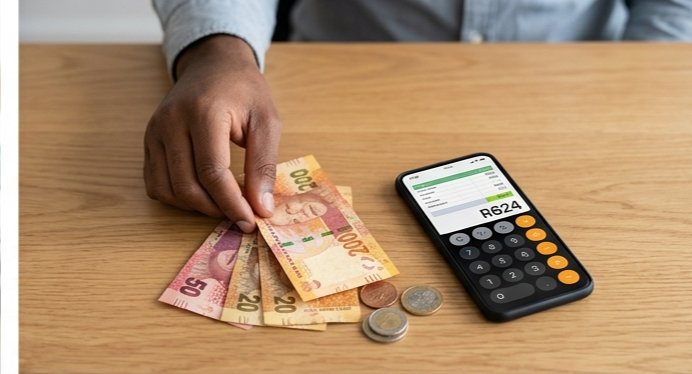
However, failing to declare the R2000 income can create two risks: SASSA may later see your bank‑statement patterns and suspect misreporting, or you may be flagged if tax‑related systems (SARS employment records) show you have even a small formal job.
Different Grants, Different Rules
Not all SASSA support works the same way. If you’re asking about disability, child support, or older‑person grants, the rules are stricter about any employment income.
– SRD (R370): Designed for people with very low or no income, including those doing tiny side jobs.
– Standard SASSA grants (e.g., child support, disability, old‑age): These are not meant for people who have regular, stable employment.
If you move from zero income to a steady, higher‑paying job, SASSA may cancel or review your grant. But a R200‑per‑month odd job generally does not meet the definition of “employment” that would disqualify you under the current SRD means‑test.
How SASSA Finds Out About Your Job
SASSA doesn’t just trust what you type on the website. The system cross‑checks:
– Bank statements (if you upload them as proof of income).
– UIF or SARS records if you’re formally employed, even part‑time.
– Self‑declaration on your SRD application each month.
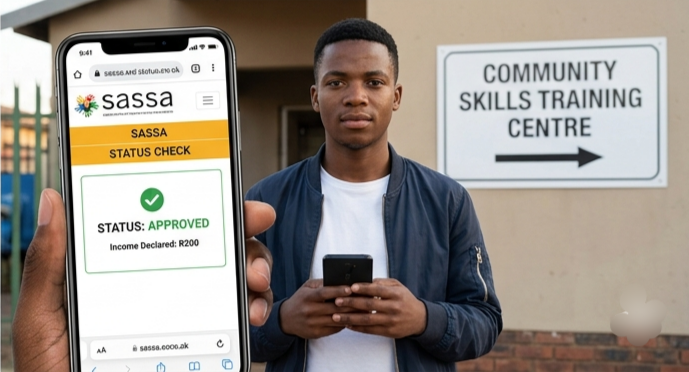
If you don’t declare the R2000 job and SASSA later detects any income inconsistency, they can:
– Cancel your SRD grant.
– Force you to appeal or reinstate your application, which can delay payments.
So being honest is not just the right thing to do—it’s the safest way to keep the grant flowing.
What You Should Do If You Have a R200‑a‑Month Job
If you now earn R200 per month from a side gig or informal job, here’s a practical checklist that fits the 2026 rules:
1. Update your SRD details
– Log in to the SASSA SRD portal and update your “income” field to show R2000 per month.
– If you’re asked for proof, you can submit a simple affidavit or bank‑statement snippet showing that small amount.
2. Don’t ignore the job in your declaration
– Even if the amount is small, shoving it under the table can backfire if SASSA later sees traces of the income.
3. Keep total income below the threshold
– If you’re also getting other cash gifts, church support, or extra work, make sure your combined monthly inflow stays under roughly R624 where possible.
4. Monitor your status and SMS messages
– Regularly check your SRD status on the SASSA site or via WhatsApp/USSD to catch any queries or changes immediately.
5. Use the appeals or reinstatement route if needed
– If your grant is suddenly cancelled and you believe it’s due to a misunderstanding about your R2000 income, you can appeal or reinstate your SRD application online.
Looking Ahead: What Happens After SRD Ends?
SRD is still scheduled to run until 31 March 2027, but discussions are already underway about a possible Livelihoods Support Grant after that. Early designs suggest conditions such as:
– Must be unemployed and below an income threshold.
– May need to show participation in work‑search activities, training, or public employment programmes.
If you’re currently earning R200 a month just to keep something flowing, start documenting every small job and training effort. Those records may matter later if a new “conditional” grant replaces SRD.
Conclusion
If you land a R2000‑a‑month job in 2026, you are not immediately disqualified from keeping your SRD R370 grant—as long as you declare it and your total income stays within the official limit. The key is to be transparent, accurate, and proactive in updating your SRD profile.
Treating that tiny job as a side hustle rather than a full‑time income, staying honest with SASSA, and watching your total monthly cash flow will give you the best shot at keeping your grant while slowly building your earning power.