How To Fix SASSA Payment Errors When Money Doesn’t Land in Your Bank or Cash Send
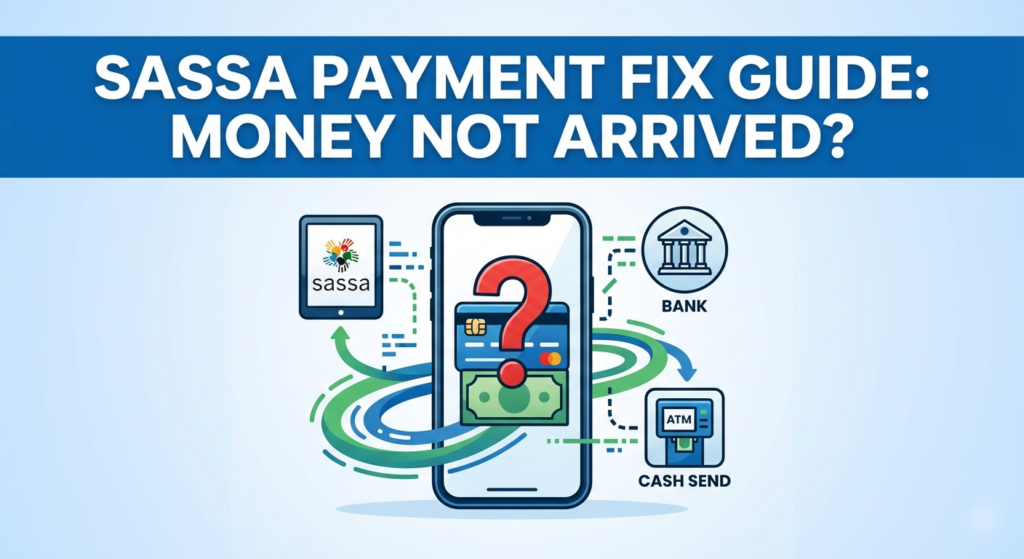
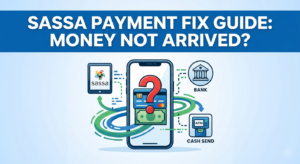
If your SASSA grant is “approved” but the money never shows up in your bank or as a cash‑send, don’t panic—you’re not alone, and most of these issues can be fixed quickly if you know the right steps. In 2026, SASSA payments pass through a mix of banks, Postbank, retailers, and payment processors, so a glitch can happen at any stage. Below is a clear, step‑by‑step guide to diagnose and resolve SASSA payment errors when your grant doesn’t land in your bank or cash‑send option.
1. Confirm Your SASSA Status and Payment Date
Before you blame the bank or your phone, first check your official SASSA status.
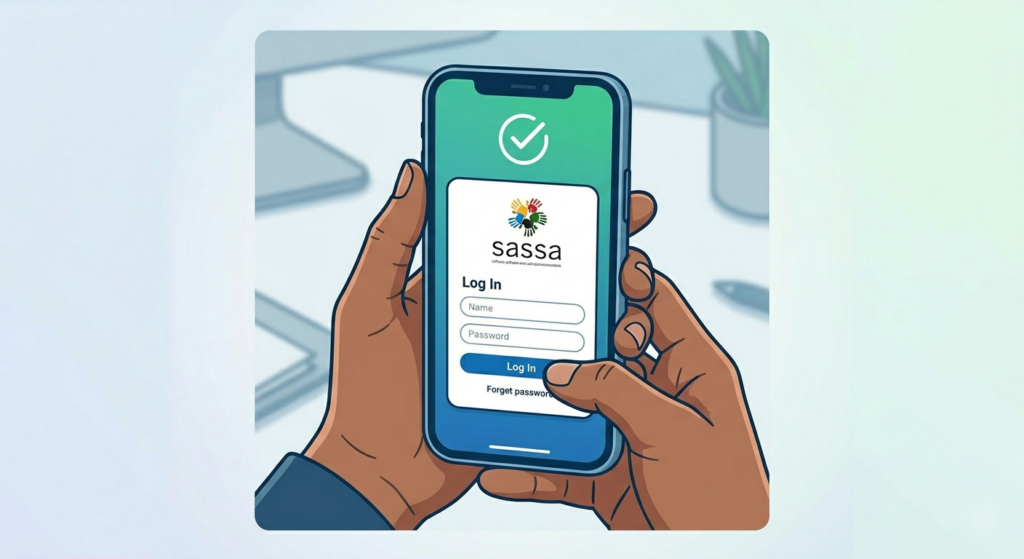
– Go to the SASSA SRD portal and log in with your ID number and cellphone details.
– Look for your application status (Approved, Referred, Pending) and any payment date or failed‑payment message.
If the system shows “Approved” but no payment date, or your payment date has passed and you still have nothing, that’s when you move to the next checks.
2. Double‑Check Your Bank or Cash‑Send Details
In 2026, wrong or outdated banking details remain the top reason SASSA money never lands.
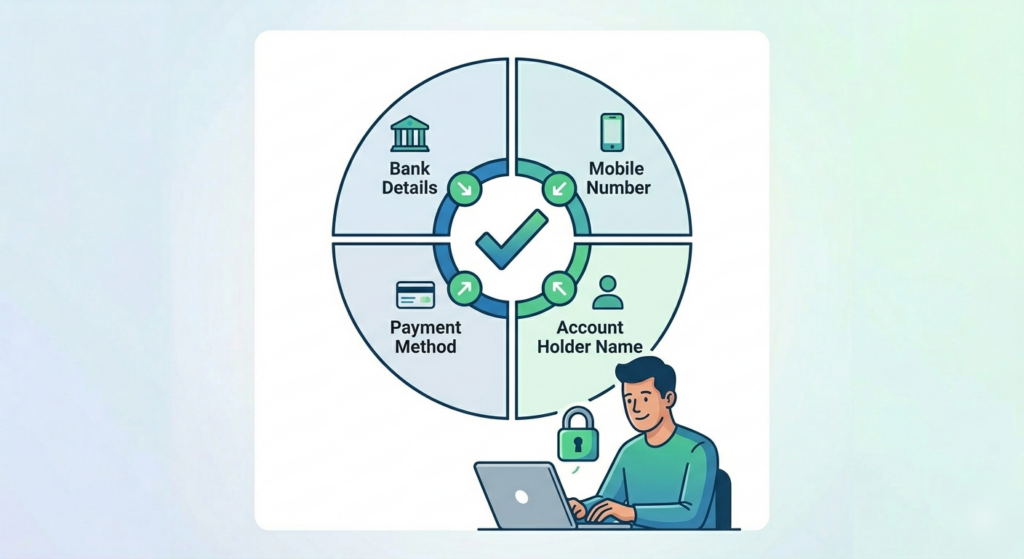
– Ensure the bank account number, branch code, and account holder name match your ID exactly. Even a small typo can cause a failed transfer.
– If you use Postbank, Merchant, or Cash Send, confirm that your linked mobile number and payment method are up to date.
If you recently changed banks or switched from cash‑send to bank payment, update your details on the SRD portal and wait the new processing window (usually a few working days before the next cycle).
3. Check for Dormant or Blocked Accounts
SASSA payments often fail silently if your bank account is dormant, closed, or under restrictions.
– If you haven’t used the account for months, your bank may have frozen it or flagged it as inactive.
– Visit your bank or use their app to reactivate the account and confirm normal transactions are allowed.
Until the bank removes the dormant flag, SASSA cannot deposit funds, even if the portal shows “payment sent.”
4. Verify With Your Bank or Payment Platform
Even if SASSA shows “paid,” your bank or cash‑send partner might not reflect it immediately.
– Call your bank’s customer service or use the app and ask if there’s a pending deposit from SASSA on your account.
– For cash‑send or mobile‑wallet options, check your transaction history or contact the provider and confirm whether the transfer was rejected or is still pending.
If the bank confirms the payment never arrived, the issue is on SASSA’s side; if the bank says it’s there but you can’t see it, the problem is internal to your bank or app.
5. Watch Out for Failed or Returned Payments
SASSA often sends SMS alerts when a payment fails and is returned to the system.
– Look for messages saying something like “payment failed,” “returned funds,” or “bank details incorrect.”
– Failed payments usually trigger a new verification or re‑processing cycle, which can delay your money by several days.
If you see any of these messages, do not ignore them, update your details immediately and keep checking your status daily until the system reflects a new payment window.
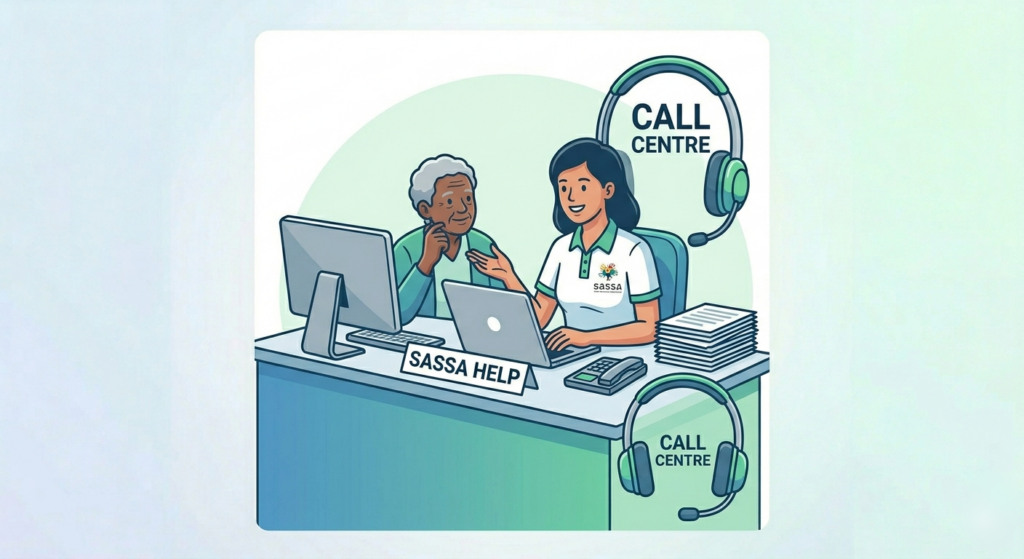
6. Contact SASSA Support the Right Way
If your status is Approved more than 5 working days after the payment window and you still have nothing, it’s time to escalate.
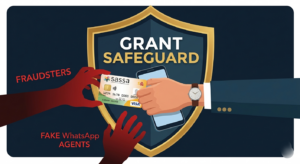
– Use the official SASSA helpline numbersor the SASSA website contact form do not rely on WhatsApp or social‑media “agents” asking for personal details.
– When you call, have your ID number, phone number, grant type, and last payment date ready so they can trace the transaction.
If you’re told to visit a local SASSA office, bring your ID, proof of banking details, and any SMS or portal screenshots showing that the payment should have landed.
7. Avoid Scams and Fake “Reconfirmation” Links
In 2026, many people are seeing fake SMS or WhatsApp messages claiming your SASSA payment failed and asking you to “reconfirm” your bank details.
– Genuine SASSA communication will never ask you to type your full banking details or OTP over WhatsApp or an unknown link.
– Always use only the official SRD portal and SASSA’s verified phone numbers for updates or corrections.
If you accidentally shared details, notify your bank immediately and ask them to block suspicious transactions on your account.
8. Use the Correct Payment‑Change Channels
If your usual bank or cash‑send method keeps failing, you can switch your payment method through SASSA’s approved channels.
– On the SASSA website, there are dedicated forms for changing from bank to Postbank, merchant, or cash‑send, or vice versa.
– Also watch for official SMS or email notifications from SASSA giving you a link to update your payment details—only use those links, not random links from social media.
Changing your payment method usually takes a few days to process, so plan ahead and don’t wait until the last day of the month.
9. When to Escalate or Lodge an Appeal
Not every case gets fixed at the first call; some require formal appeals or supervisor follow‑up.
– If you’ve followed all steps, your banking details are correct, and your status still shows no payment after several cycles, you may need to lodge an official appeal through SASSA’s portal or office.
– Keep records of all SMS, emails, portal screenshots, and call reference numbers so you can prove when and how you reported the issue.
Appeals can take a few weeks, but they are necessary if you believe your grant has been wrongfully skipped or repeatedly failed.
10. Good Habits to Prevent Future Errors
To reduce the chance of SASSA payment errors in future cycles:
– Regularly log into the SRD portal and confirm your banking details and payment method are still correct.
– Avoid letting your bank account go dormant or unused for long periods; make small, regular transactions to keep it active.
– Treat SMS alerts from SASSA as serious—respond promptly if they mention failed payments or changes to your details.
By staying on top of your status, banking details, and communication channels, you can fix most SASSA payment errors and make sure your money eventually lands where it should—in your bank or cash‑send wallet.