The Truth About SASSA and SRD Grants Every South African Must Know in 2026
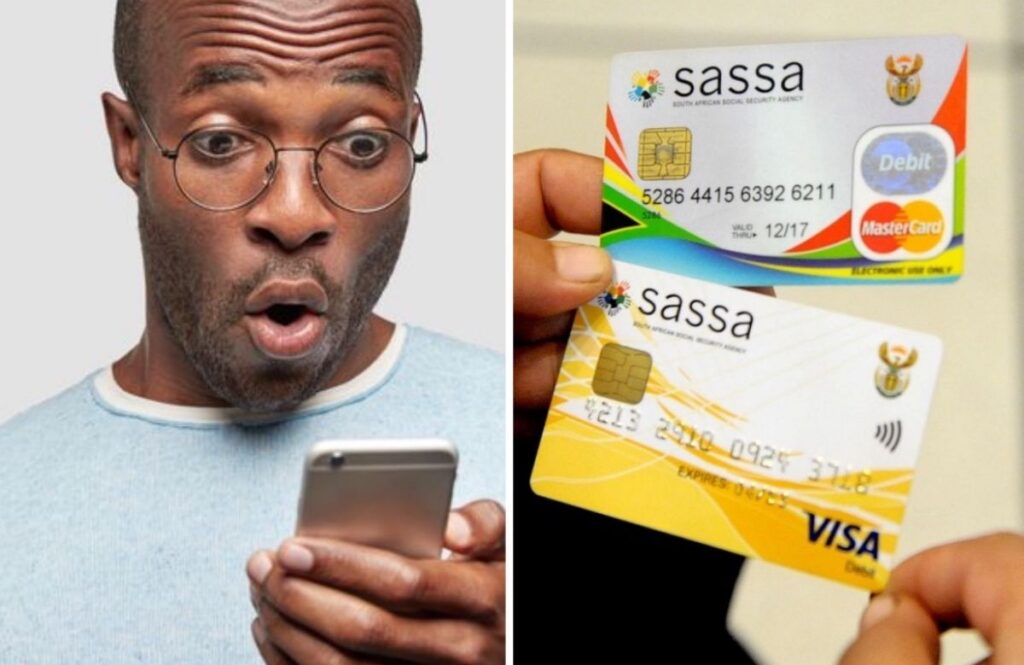
With petrol pushing R25 a litre, bread crossing R20 a loaf, and unemployment still gripping more than four in ten working-age South Africans, social grants are no longer just government assistance. For tens of millions of families, they are the foundation of daily life. As the 2026/2027 financial year begins today, 2 April 2026, here is the full picture refreshed, honest, and sourced from verified reporting across the country.
Understanding SASSA and South Africa’s Social Grant System
The South African Social Security Agency (SASSA) administers social grants to 26.5 million beneficiaries every month, making it one of the largest welfare delivery systems on the African continent. Finance Minister Enoch Godongwana’s 2026 Budget allocated R292.8 billion to fund these grants this financial year forming a central pillar of the government’s so-called “social wage,” which together with education and healthcare accounts for 70.3% of all non-interest government spending.
These payments directly reduce hunger, improve school attendance, stabilise household budgets, and support informal traders and small businesses in townships and rural areas when beneficiaries spend their grants locally. Social grants are not just numbers on a spreadsheet. They represent dignity and survival for the elderly, disabled citizens, orphaned children, and jobless adults who have no other income.
The Eight Types of SASSA Grants — and What Each One Pays
South Africa’s social grant system covers eight distinct categories. From 1 April 2026, the following updated amounts are in effect:
📌 Older Persons Grant (ages 60–74): R2,400/month — up R80
📌 Older Persons Grant (age 75 and above): R2,420/month — up R80
📌 Disability Grant (ages 18–59): R2,400/month — up R80
📌 Care Dependency Grant (for children with severe disabilities): R2,400/month — up R80
📌 War Veterans Grant: R2,420/month — up R80
📌 Foster Child Grant: R1,290/month — up R40, with a second increase to R1,300 in October 2026
📌 Child Support Grant (for caregivers of children under 18): R580/month — up R20
📌 Grant-in-Aid: R580/month — up R20
📌 SRD Social Relief of Distress Grant (ages 18–59, unemployed): R370/month — unchanged for the third consecutive year.
These increases between 3.4% and 3.7% are pegged slightly above South Africa's current inflation forecast. No registration or office visit is needed, increases are applied automatically.
The SRD R370 Grant — Still Running, But Changing Shape
The Social Relief of Distress (SRD) R370 grant has been extended for a full 12 months from 1 April 2026 through to 31 March 2027 with R36.9 billion set aside to cover payments.
The grant reaches over 8 million unemployed South Africans each month and has been running continuously since its pandemic launch in 2020.
However, its long-term future is being redesigned. President Ramaphosa described the SRD grant as “a transformative instrument to improve the lives of the poorest and most vulnerable people” and announced at SONA 2026 that government will rebuild it from the ground up as a permanent Livelihoods Support Grant; one that connects recipients to employment pathways, skills development, and small business opportunities rather than functioning as passive cash relief.
The National Treasury has provisionally ring-fenced R38 billion for 2027/28 and R39 billion for 2028/29, signalling that this transformation has genuine budget backing beyond the current extension period. Detailed implementation plans will be revealed at the Medium-Term Budget Policy Statement in October 2026.
Who Qualifies for the SRD R370 Grant in April 2026
SASSA runs monthly eligibility checks against multiple government databases including Home Affairs, SARS, UIF, NSFAS, and credit bureaus to confirm who qualifies each cycle.
You must meet ALL of these criteria:
• Be a South African citizen, permanent resident, refugee, asylum seeker, or valid permit holder
• Be aged between 18 and 59 years
• Be unemployed and not unreasonably refuse work or educational opportunities
• Earn less than R624 per month based directly on bank records, not self-reporting
• Not currently receive any other SASSA grant (except the Child Support Grant, which is compatible)
• Not receiving UIF benefits, NSFAS funding, or income from any government payroll
• Not residing in a government-funded institution
Even a single informal deposit above the threshold such as money sent by a relative can trigger a monthly decline. This explains why more than 1.2 million SRD applications were rejected in February 2026, with 68% flagged by automated bank-checking systems.
April 2026 Payment Dates — Know Exactly When to Expect Your Money
SASSA distributes payments in a staggered sequence to manage demand at pay points, ATMs, and retail stores. Easter has disrupted April’s schedule, pushing children’s grants past the long weekend.
Confirmed April 2026 payment dates:
📌 Older Persons Grant: 2 April 2026 (already processed today)
📌 Disability Grant: 7 April 2026
📌 Children’s Grants (Child Support, Foster Child, Care Dependency, Grant-in-Aid, War Veterans): 8 April 2026
📌 SRD R370 Grant: Two windows — 23–24 April and 29–30 April 2026.
Funds stay available in accounts after the scheduled date, so there is no need to rush on payment day. If your grant has not arrived within two to three working days of your expected date, call 0800 60 10 11 or visit your nearest SASSA office.
How to Apply for the SRD R370 Grant
Applications are free, fully online, and processed in under 10 minutes. SASSA now automatically re-evaluates your eligibility every month no need to reapply every three months.
How to apply:
• Online: Visit srd.sassa.gov.za, enter your ID and phone number, accept the verification consent, add your banking details, and submit
•WhatsApp: Save 082 054 0016, send “Hi,” and follow the prompts
•USSD (no data needed): Dial *134*7737# or *120*69277#
•Toll-free: Call 0800 60 10 11 on weekdays
Ensure your bank account is registered in your own name. Accounts linked to another person’s ID will fail verification and delay payment.
How to Check Your SASSA Status
Because grants are re-verified monthly, your status can change at any time. Check it regularly through these official channels:
•WhatsApp: Message 082 046 8553 and type “Status”
•USSD: Dial *120*69277# — works without data or airtime
•Moya App: Zero-rated access on supported networks
•Toll-free helpline: 0800 60 10 11 — Monday to Friday
Status results include Approved, Pending, Declined, Referred, Bank Details Pending, and Identity Verification Failed each requiring a different follow-up action.
Declined? Use Your Legal Right to Appeal
Every rejected applicant has the right to challenge the decision through the Independent Tribunal for Social Assistance Appeals (ITSAA).
Steps to appeal a declined SRD grant:
+ Go to srd.sassa.gov.za/appeals/appeal or srd.dsd.gov.za/appeals
+ Enter your ID and registered phone number, request the OTP, and verify
+ Choose the exact declined month every month requires its own individual appeal
+ State your reason and upload supporting evidence: a bank statement, affidavit, or letter of unemployment
+ Submit within 30 days of the decline for the fastest review (legal window is 90 days)
+ ITSAA will notify you within 60 to 90 working days
No response after 60 days? Contact ITSAA: 012 312 7727 | grantappeals@dsd.gov.za
Need free legal guidance? Contact Legal Aid South Africa: 0800 110 110
SASSA’s 2026 Crackdown: Fraud, Biometrics, and What It Means for You
SASSA’s biometric verification overhaul is the most significant administrative reform in years. All new grant applicants must now undergo biometric enrolment fingerprints and facial recognition as part of the application process.
This crackdown has already cancelled over 34,600 fraudulent or ineligible grants and recovered R170.7 million in irregular payments, with a target of R3 billion in total fraud savings once the system is fully operational.
The agency has also introduced e-Life Certification, allowing elderly and disabled beneficiaries to verify their eligibility remotely via smartphone, rather than travelling to offices. SASSA CEO Themba Matlou confirmed the system will also send SMS and email alerts for payment status updates and upcoming payment dates, reducing the information gap that has historically allowed misinformation to spread online.
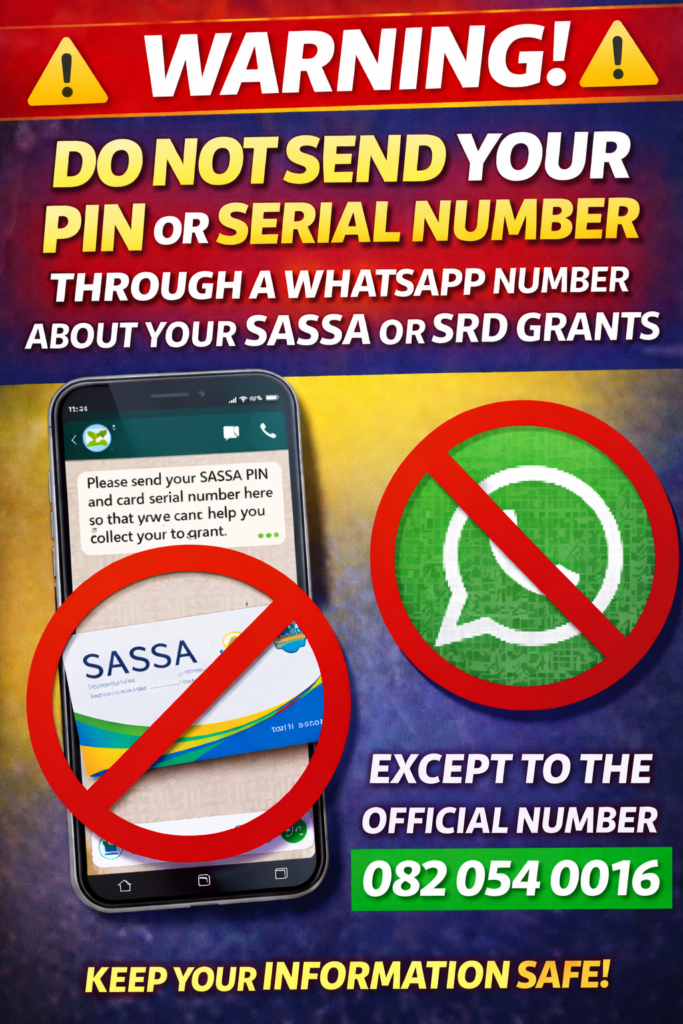
A key warning for 2026: fake websites and fraudulent WhatsApp messages continue to circulate. SASSA’s only official WhatsApp numbers are 082 046 8553 (status) and 082 054 0016 (applications). Never share your PIN or banking details with anyone outside official SASSA channels.
Official SASSA Links and Contacts
• SASSA Website : www.sassa.gov.za
• SRD Portal: srd.sassa.gov.za
• DSD Appeals: srd.dsd.gov.za/appeals
• Payment Schedule: www.sassa.gov.za/payment-dates
• WhatsApp (Status): 082 046 8553
• WhatsApp (Apply): 082 054 0016
• Toll-Free Helpline: 0800 60 10 11 (free, weekdays)
• ITSAA Appeals: 012 312 7727 | grantappeals@dsd.gov.za
• Legal Aid SA: 0800 110 110 (free)
• Email: GrantEnquiries@sassa.gov.za


1 thought on “The Truth About SASSA and SRD Grants Every South African Must Know in 2026”
Comments are closed.